
In the midst of the pandemic, sewing emerged as more than just a hobby, becoming a therapeutic outlet and a practical necessity. From crafting cloth masks to promoting creativity and problem-solving, the resurgence of sewing has continued to grow.
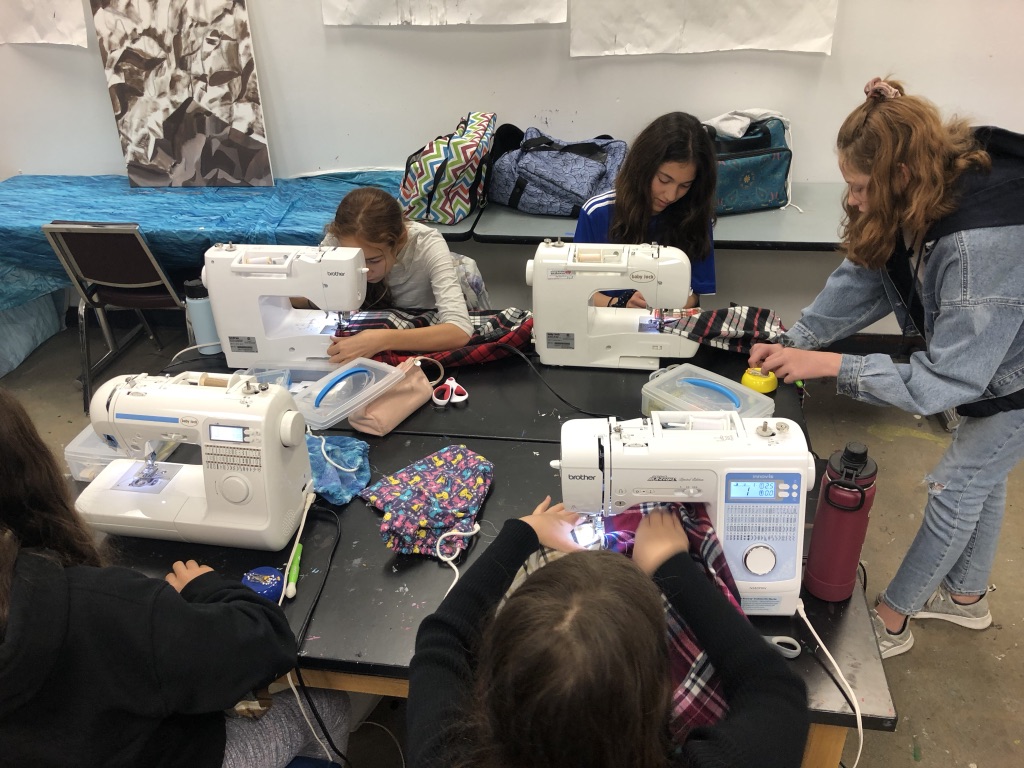
By Megan Ly – 9th grade.
During the pandemic, many people had time on their hands so they picked up new hobbies like sewing. Sewing requires concentration which helps distract you from worrying and stressful thoughts. Because sewing is so repetitive and rhythmic, it can bring about a state of mindfulness. Not only is it good for managing stress and anxiety, it can also encourage creative thinking through personalization and the use of different types of patterns and fabrics.
When the CDC advised people to wear a cloth mask when going out in public, many people with sewing skills or those wanting to learn searched for tutorials and began sewing masks for themselves and for their communities. People bought sewing machines causing manufacturers to have a shortage. Stores also sold out of fabric and elastics. The number one manufacturer, Singer, saw a huge spike in demand. Their prices usually ranged from $99 to $400 but after a couple of months you couldn’t find a sewing machine that cost less than $500. Once people started to learn how to sew their interest grew and they wanted to sew other things.
Many people held online classes over Zoom and created social media platforms where they shared patterns and tutorials. There were all types of online classes ranging from beginner to advanced. Platforms like Pinterest and Instagram were used to share pictures of completed projects. People uploaded videos onto Youtube sharing tutorials and instructions on how to work a sewing machine. Sewing blogs also became popular because they had a lot of step-by-step instructions and pictures.
People can express their creativity through sewing and looking at the finished product can make them feel proud of accomplishing something. Sewing your own clothing allows you to alter the style and pattern to suit your preferences and ensure a great fit. Problem solving skills are often used when sewing because people must be able to read and modify patterns to their own needs, and troubleshoot any problems that come up while sewing. Being able to solve these problems stimulates creative thinking.
The pandemic has sparked a resurgence in sewing while highlighting its therapeutic benefits, practicality, and artistry. The popularity of sewing continues to grow even beyond the pandemic as technology makes it simpler to access online networks, encouraging innovation, sharing, and learning.
An interview with Christienne Palmieri – LILA Sewing club.
When did you start sewing?
I was seven years old and I started sewing by hand, made myself a dress, wore it out on the street and it broke. So like a year or two later one of my mom’s friends gave me a sewing machine and she didn’t tell me how to use it. There was no Youtube back then. I had a book and I sort of figured out how to get the machine to work. I started taking classes when I was 10 or 11. I had a neighbor down the street who would help me with things that were really difficult like putting in zippers but mostly self-taught up until 12 or 13 when I started taking classes in the summer at the sewing machine store near me and then I ended up going to school for it in university.
Did you start sewing because you were interested?
Yes. I loved it. I knew I loved it. My grandmother sewed but she passed away when I was 3 months old. My mom knew but she didn’t like it. But she knew enough to be able to point me in the right direction. I would beg her to take me to the fabric store and I would buy a pattern, buy the fabric, and then read the instructions and then figure it out.

Why do you like it and why do you continue to do it?
It is my passion. It’s what I do. I started in fashion design school and then I got worried that I wasn’t gonna be able to make money because its very competitive. And so I went into accounting and I was an accountant for 20 years. And then I went back to design school but at that time I had my children. So I’ve never been a professional designer or anything like that. But I have taught here and other places. I’ve had my own store where I taught sewing, I managed a big “Joann” when I lived in Chicago for a couple of years and I taught a lot of sewing classes there. I like being creative, I like doing things with my hands and I don’t just sew. I knit, crochet, weave, I do art with fabrics and spun wool, and I love to embroider. I like all that stuff. Now I do costuming as a hobby, but I belong to a guild called Costumer’s Guild West and we make historical costumes for fun. And we have a convention once a year and I teach that as well.
Do you think it became more trendy during the pandemic?
Absolutely. The store that I buy my machines from for this class couldn’t keep them in stock during the pandemic. The same thing happened with cycling. People bought bicycles like crazy. I personally taught so many classes over Zoom to people who never wanted to do it. Everybody suddenly wanted to learn how to sew and it was because they had the time, they were bored, and they finally decided to do something creative. A lot of people ignore that side of themselves but I think we all have it. If you go into kindergarten and ask them all “everybody who’s an artist raise your hand”, everybody will raise their hands! When you get to 4th grade, maybe 10 out of a class of 30 kids will raise their hands. Kids stop feeling like they’re artists because they draw something and they don’t think it looks good and it discourages them. For some reason, we think the only people who are artists draw or paint, whereas I would say there’s so many types of art. We tend to ignore the creativity and desire to create something from nothing. That’s why I teach here because everybody can learn to sew. Some people just take a little longer to learn but you can do it.
Why do you think sewing is an important skill for people to have?
It’s not just for the creative side, which I’m all about. A button comes off, to be able to sew it back on: it’s a nice skill to have. You can go to the dry cleaners and pay 20 dollars for someone to sew it back on but it’ll take you longer to drive there, leave, drive back, pay, and come back. You’d have 10 buttons sewn on by the time you even got to the dry cleaners! There are life skills like learning to cook. Learning how to mend things is a very powerful skill to have. Knowing how clothing is constructed helps you understand what you’re purchasing. My sons can sew both by hand and machine. They’ve made quilts, they can knit, crochet, they can do everything. Do they do it now that they’re in college? No. When they come home, they’re like “Mom, can you fix this for me?” I’ll get the machine out and then they’ll say “Oh yeah! I can do it.” And they can do it and it’s a very powerful feeling to be able to fix those things yourself.



 lilagazette.com
Leave a comment