
LILA Gazette dives into the many origins of a night with candy, fun, and scare.
By Mateen Khorsandi – 7th grade.
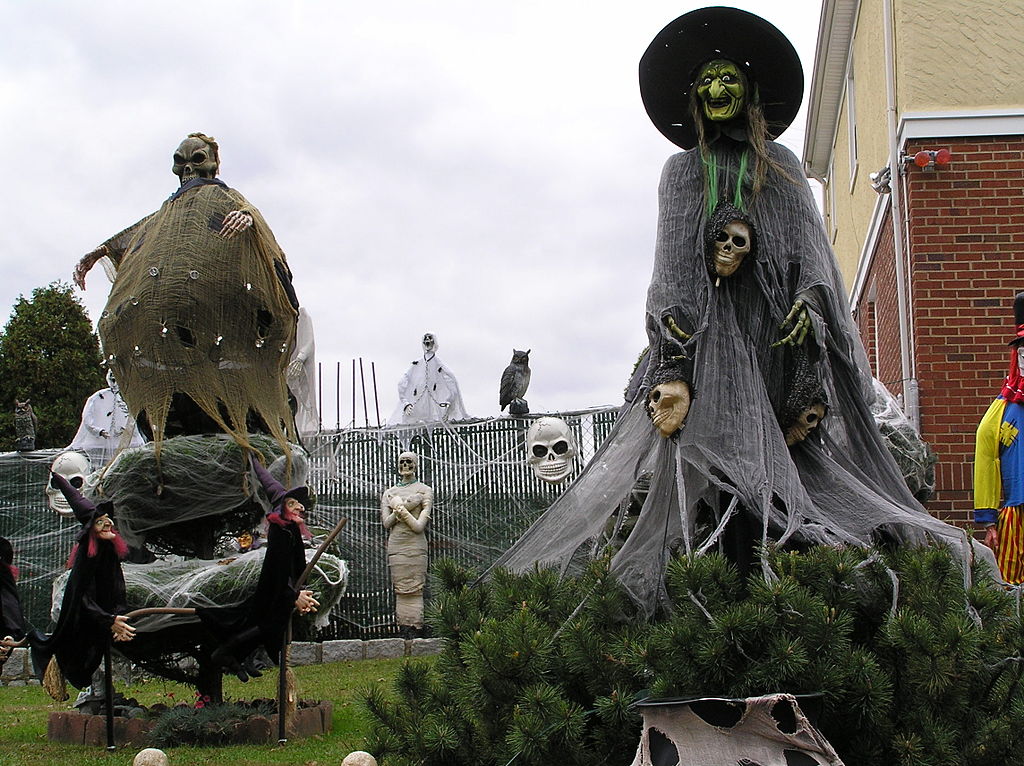
Spooky decorations outside homes, the night-time being especially scary. Haunted Houses, candy corn, wearing matching costumes with your friends, eating loads of candy before you regret it. Then the next day trading the candy with your friends to get all the ones you want: Halloween. Yet have you ever wondered what is the origin of this popular holiday?
In the 8th century, November 1st was dedicated to honoring saints under the order of Pope Gregory III. This day later became known as All Saint’s Day. All Saint’s Day took celebrations from an ancient Celtic religion in Ireland, known as Samhain. Samhain was known as the end of the Celtic new year with many celebrations to ward off evil spirits. Pope Gregory’s plan was to convert the Irish people into Christianity by making their celebration into a church sanctioned holiday.
The night before became known as All-Hallows Eve coming from the word Allhallowmas which means “A Christian feast day honoring all the saints.” This later became the Halloween that we know today. Yet there are still unanswered questions about the origins of all the festivities we celebrated today.
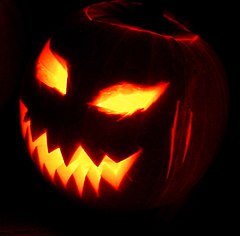
First tradition is a famous one : Jack-O-Lanterns.
The tradition of jack-o-lanterns came from an old Irish tradition of hollowing up a turnip and placing embers inside then using them in front of their doors to frighten away Stingy Jack. Stingy Jack was a wandering ghost who was neither allowed in Heaven or Hell and wandered the world with an ember inside a turnip. Since there were no pumpkins in Ireland they had used turnips, but after it became a “Christian” tradition and worldwide they used pumpkins instead for a more practical carving experience.
Another famous tradition and my personal favorite: is dressing up for Halloween. The Celts had believed that the night before the new year was when the boundary between the worlds of living and death would disappear allowing evil spirits to cross over into their world. In order to prevent harm coming to them during this time they would wear disguises to look nothing like humans to confuse the evil spirits to leave them alone.
Finally there is Trick-or-Treating.
Trick-or-Treating has many origins that make it what we know today. Starting from the Celtic tradition; they would leave food out to appease the good spirits that roamed during Samhain, later people would dress up as these unearthly beings to receive these same offerings from the people.
Scottish origins
For the Scottish origins people believe it came from the practice of guising. Guising is where people (normally poor people) would go around house by house receiving food by praying to the dead spirits in return for All Souls Day (Halloween). Later they dropped the praying and instead they would dance and sing and play “tricks” to get food instead.
The third origin is a German-American tradition known as “belsnickeling” (Coming from Belsnickel, a german man who before Christmas would check the behavior of children) where kids would go around house to house in a costume asking if their neighbors recognized them and if they didn’t the children would receive candy and sweets.
The idea of black cats being felines of the devil dates back all the way from the middle ages where people were scared of black cats because of their unusual appearances compared to other cats. It didn’t help that a century later accused witches had cats with them especially black ones, later cats became known as a “witches familiar”. Later in 16th-century Italy, they were classed with bad luck because it was believed that if a black cat was lying on your bed when you were sick you would die.
Black and orange are common colors for decoration during Halloween but why those colors specifically? Well these two colors also date back to the ancient Celtic religion. With black signifying the death of summer and orange signifying the season of harvesting and growing crops.
Bobbing for apples comes from the Roman courting tradition during the festival of Pomona (goddess of fruit trees, gardens and orchids) as a thanks for not destroying their crops. This courting tradition would see if the young lovers were soulmates or compatible with each other. This celebration would take place on November 1, so around the same time as Samhain.
Tradition of pranking
The tradition of pranking is said to have come from one of the celebrations of May Day (A day where they celebrate the hard work and labor of workers) but then Samhain and later All Saints Day inherited this mischievous tradition for their own holidays.
The Celtic people had also believed in life after death so they would bury food, weapons and ornaments with the dead loved one. Then they would light a candle to lead the spirit to the afterlife. After they would keep it lit to signify the continuation of the dead person’s life through their spirit.
There were not only people but animals also took part in the celebration..
When the Celtic people would light bonfires and candles for the dead and the spirits it would attract a lot of people. But people weren’t the only thing that the bonfire would attract, the bright light would also attract bugs and the bugs would attract bats. Later bats became a part of the tradition.
Surprisingly, a candy was chosen to become a halloween-specific one . Candy Corn was created at the Wunderle Candy Company in 1880 and was originally known as “chicken feed” to symbolize the autumnal season with a tri-color piece of corn. It did not become popular until the Goelitz company remade it. Since back then candy production was arduous it was only produced from May to November, for this reason candy-corn became known as a Halloween-specific candy when trick-or-treating became popular in the US.
Halloween is a tradition that was practiced so many centuries ago and still is commemorated today. This unique celebration has been passed through many generations yet not many people are aware of its origins. As a critical part of our history it is important to inform ourselves of its true dawning.




 lilagazette.com
Leave a comment