
The LILA gazette examines the ultimate dilemma in leading a sedentary lifestyle.
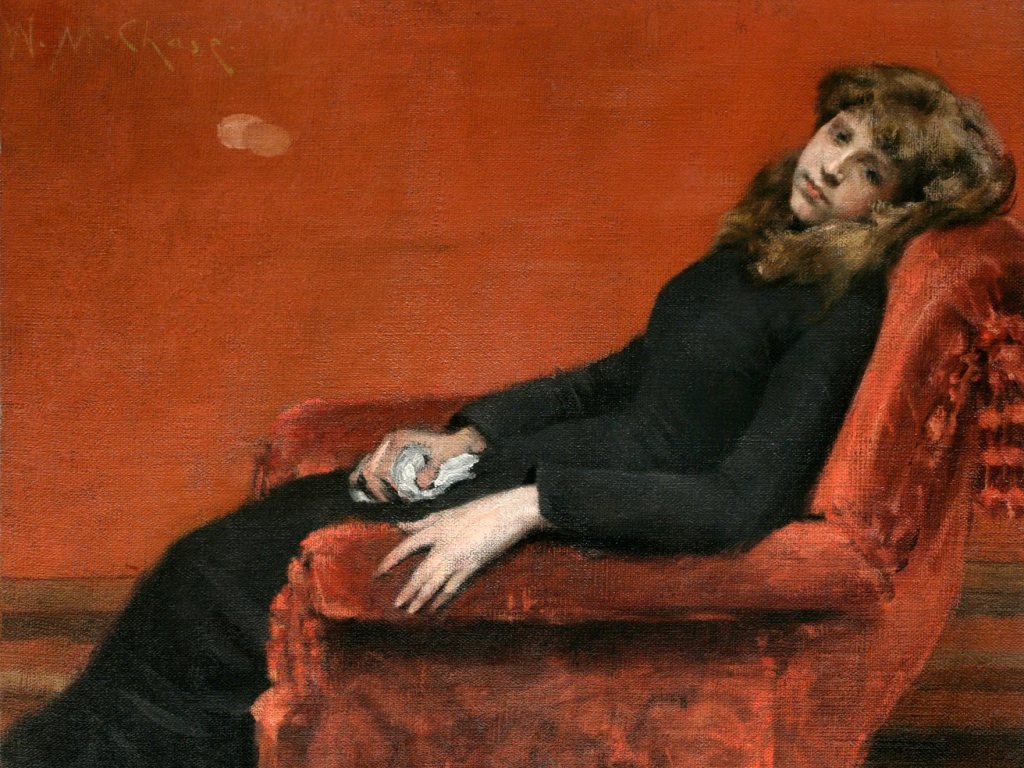
By Belén Haberman – 7th grade (Paintings by William Merrit Chase)
Think of all the days of our lives when we’ve been sitting in a chair, blood pooling into our legs as we complete our daily activities; watching TV, doing homework or even eating dinner. Without realizing, we are subjecting ourselves to dangerous conditions and diseases while sitting for the majority of our time. If we don’t stop now, the effects might be permanent.
Sitting for long periods of time can affect multiple parts of our bodies such as our hearts, muscles and even our state of mind. When we sit, our blood flow slows down which can build up fatty acids in our blood vessels. This increases the chance of heart disease or heart attacks. According to the ACC (American College of Cardiology), “More than roughly 10-and-a-half hours of sedentary behavior per day was significantly linked with future heart failure (HF) and cardiovascular (CV) death, even among young people.” Additionally, sitting can strain our muscles and cause diseases such Ischial bursitis which is the pain in our sitting bones and upper legs. Our muscles that allow for hip extension degenerate, contributing to the struggle or inability to walk after long sitting periods.
Although it is uncertain, some doctors believe that inactive people are more prone to specific cancers. “Extended sitting raises your risk for colorectal, ovarian and endometrial cancers,” states Karen Basen-Engquist, Ph.D., professor. It has been found that physical inactivity is the second highest cause of cancer in Australia, behind tobacco smoking.

In addition, having a sedentary lifestyle has a negative impact on our state of mind. It was found by the World Health Organization that the percentage of depression increased by 25 percent during COVID, a time when everyone was trapped indoors. As a result, anxiety and lack of focus can increase with constant sitting, interfering with work and studies. Sleep is a crucial part of our lives and can be disrupted by inactivity. As we all know, it is easier to fall asleep after a long day of running or walking than a day full of sitting for hours looking at a screen.
The NLM (National Library of Medicine) agrees: “As a result, physical activity can assist in falling asleep faster and sleeping better. (…) Physical activity reduces stress, which is a typical impediment to falling and staying asleep.” Lack of sleep has a big impact on our brain function, so when we have a night of constant restlessness everything is a blur the next day. A study done by the Annals of Internal Medicine proved that sitting for more than 13 hours a day can increase your chances of early death. In fact, participants who sat more than 90 minutes at a time were more susceptible to dying than those who sat for less. “Even if you are doing the recommended amount of moderate to vigorous exercise, you will still have a higher risk of mortality if you’re spending too many hours sitting,” comments Dr. JoAnn Manson, chief of preventive medicine at Harvard-affiliated Brigham.
There are many controversies surrounding the pros and cons of sitting. Of course many understand that sitting is not healthy, but don’t believe standing is the best alternative option. As improbable as it may seem, standing shares common health risks with excessive sitting. The true answer to having a healthy non-sedentary lifestyle is balance. Switching from sitting to standing regularly throughout our day creates stability in our physical and mental health. Movement is a key factor in establishing a healthy life-style. Small stretches and motions between activities can significantly improve our day. For example, when sitting or standing, one can practice yoga exercises consisting of simple movements that have just enough difficulty to feel challenging and replenishing.
Over the years, the dilemma of which was better, sitting or standing, was debated by many and as of today we have finally found the answer. Being active not only helps us physically but also mentally. Heck, weren’t we always meant to lead a peripatetic life? That’s what makes us Human.




 lilagazette.com
Leave a comment