
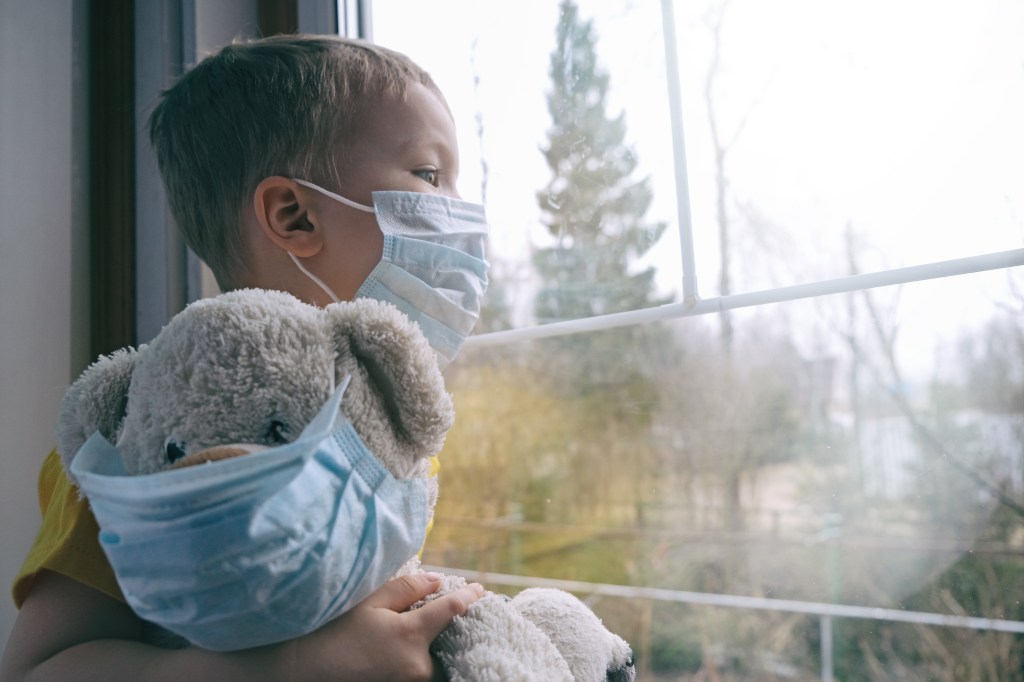
Loneliness and loss of jobs are just two of the many effects humans suffered during the COVID-19 pandemic. But have you ever thought about the psychological effect on young children, like the loss of developing something so essential to navigating life that we just assume everyone has it?
By Ella Erez – 10th grade.
I know we all remember what it was like when COVID was at its peak and we experienced lockdown. While everyone shared one thing in common, which is that we weren’t able to go outside, meet people, or live our daily lives at all, there was a significant toll on children. Some of us were in high school or college and had to take exams online. Some of us were adults who lost their jobs. But young children, maybe some who don’t even remember the pandemic as well because of their age, were affected possibly even the most out of anyone.
Children of ages zero to five are in the midst of developing basic, essential skills such as literacy, language, problem solving, and so much more. Young kids require social interaction and good learning environments to be able to develop these skills in the best way possible. The more ideas, words, and learning settings that children are exposed to, the more neural pathways they develop; which is essential to brain growth.
However, during quarantine, childrens’ cognitive and social development was hindered. Because they were not able to go out, go to school, and had to spend most of their time on computers for learning, these essential skills weren’t able to properly develop.
Loss of basic social skills
For further clarification, I interviewed Charlotte Weise-Andrade, our school counselor. She explained that many kids did in fact get behind academically, and the youngest out of them lost basic social skills that couldn’t be acquired during lockdown. Some of these lost that are developed in social situations were eye contact and body language, emotional regulation, collaboration with peers, and attention span.
Ms. Weise-Andrade also mentioned something not much talked about at all, and that I certainly hadn’t heard of. “There was actually more abuse happening in homes during the pandemic,” she says. Because the world was cooped up, not being able to go out, a lot of children experienced harm at home that may not have been there before.
Social anxiety was also on the rise. Since children didn’t get the social practice they needed with face to face interactions, many may have felt unsure of how to interact with peers. Social anxiety usually tends to come from negative experiences such as bullying, rejection, or humiliation, but one of these negative experiences may as well just have been the pandemic.
Overall, the COVID-19 pandemic caused many unseen side effects on the population, such as increased anxiety or depression, isolation, and even substance abuse. A study showed that in 2019, 47% of female high school students felt persistently sad, hopeless, or anxious, compared to 57% in 2021.
However, on a more positive note, though these issues affected most young kids, many will have been able to develop coping mechanisms and adaptability skills due to the time of coming out of the pandemic, which is also very beneficial for cognitive development.



 lilagazette.com
Leave a comment