
TRUMP 2/7 In his executive action to cut funding for education in schools, the Trump administration is impacting low income and disabled students, bypassing Congress. LILA Gazette explains.

By Rio Bechet – 11th grade.
On March 20th 2025 in a room staged with children sitting on desks, Trump remained standing, preaching to complete a presidential promise as he signed a Presidential action to dismantle the department of education. In his statement the President assures that “Closing the Department of Education would provide children and their families the opportunity to escape a system that is failing them.” Stating that “The Department of Education is not a bank, and it must return bank functions to an entity equipped to serve America’s students.”
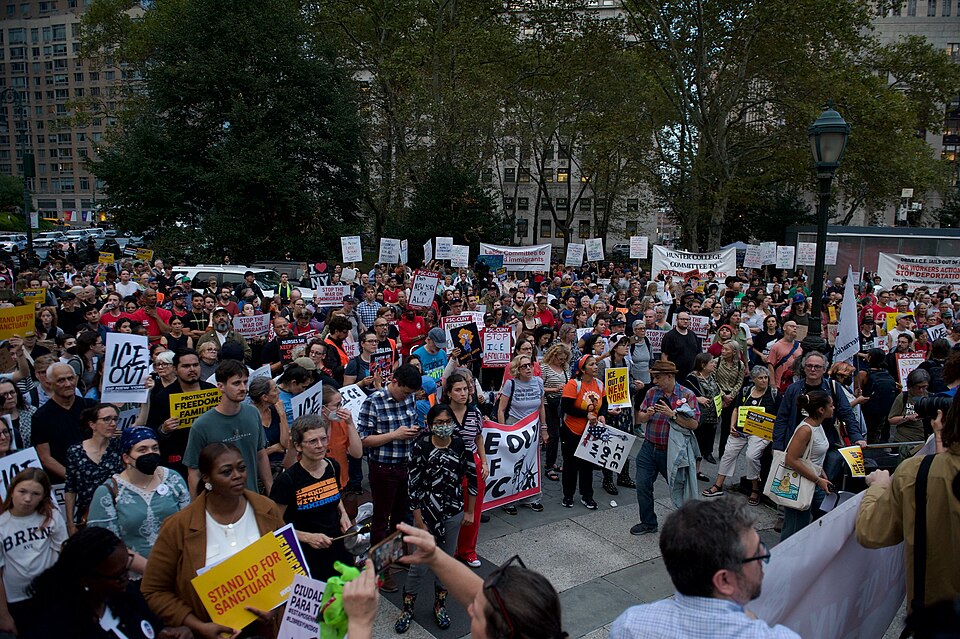
His justification was that American students don’t meet standard test scores, implying that lack of education should drive states to more efficient measures, calling it a “national education crisis”. The week prior, he had cut the department’s work force in half and 13 000 career employees were terminated leaving 2,183 staff at the department. The American Federation of Teachers union fought back, firing a heated “we’ll see you in court”. In Denver and across America, angry teachers, students and citizens protested
The Department of Education (ED) is a cabinet-level executive branch agency responsible for creating policies and programs to support US schools. Amongst these responsibilities are:
- Distributing billions of dollars in federal student aid
- Managing federal student loans
- Funding special education programs and K-12 education in low-income communities
Its origins date back to 1867 when President Andrew Johnson signed legislation creating the first Department of Education.
The logistics of this department are often misunderstood. Education is already majoritarily a state and local responsibility: only 8% of funding comes from Feds and these Federal dollars are largely intended to help the school’s more vulnerable students. So when asked who this executive action will affect, it will undoubtedly be those from lower income communities, handicapped, and populating vast rural areas.
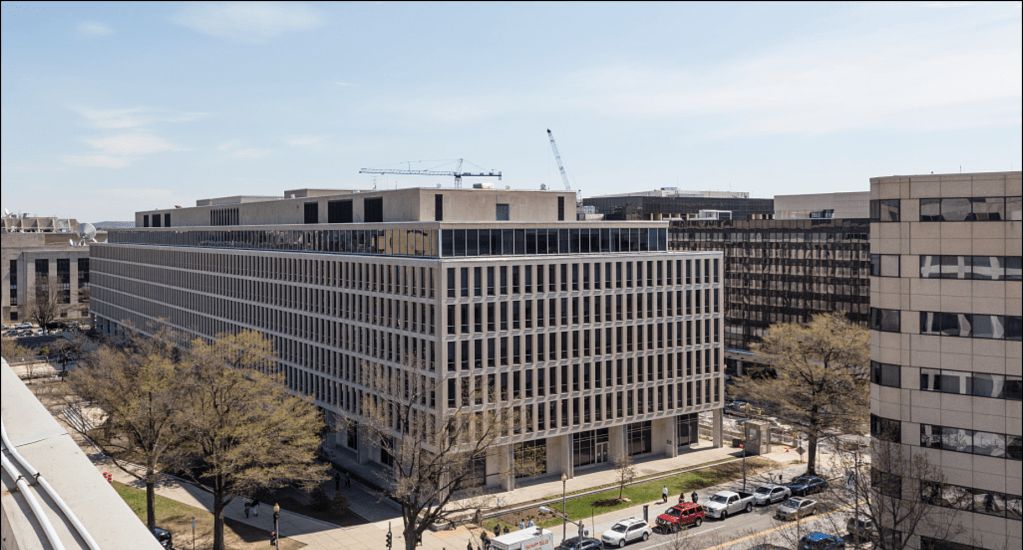
The White House agency has declared that they will conserve certain core functions, however, there have been no specifties or clarifications as to how they will be carried out.
According to the Human Rights Watch campaign this Executive Action is an unconstitutional violation of the separation of powers; Congress and the courts must step in to stop him, as the President of the United States cannot eliminate a federal agency without approval from Congress.
Other aspects of violation are Title 1 of the ESEA supplements State and local funding for low-achieving children, especially in high-poverty schools. IDEA, The Individuals with Disabilities Education Act, according to the ED website, is a law that makes available a free appropriate public education to eligible children with disabilities throughout the nation and ensures special education and related services to those children, supports early intervention services for infants and toddlers and their families, and awards competitive discretionary grants.
These acts cannot be disregarded through a simple executive order as they are acts of Congress, put in place by Congress and therefore only dissolvable by Congress. Either way, this executive order perpetuates the chaos surrounding the Trump administration and its influx of directives.
So what is his goal? Despite the concept of a more efficient US government, there remains an ulterior motive beyond government efficiency. This ulterior motive relies undoubtedly on his political bias and desire to eliminate DEI. Effectively, Trump has put an emphasis on imposing his political views on all schools, from race to trans rights.
On March 19th, the Trump administration gave Maine school officials 10 days to bar transgender athletes or risk school funding. Unsurprisingly, republicans are heavily backing these actions. Oklahoma Republican Superintendent of Public Instruction, Ryan Walters, stressed this point on Fox News, stating that; “bureaucrats are pushing the most radical agenda the country has ever seen” in lieu of trans rights, racial diversity and referencing anti-christianism and anti-judaism instances in schools.
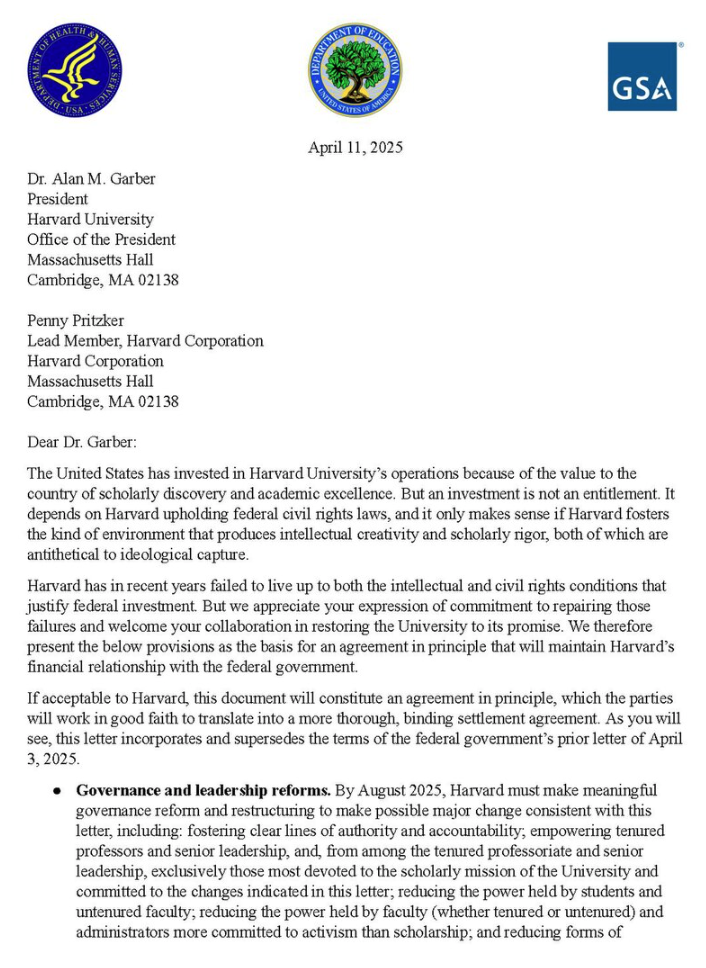
It is no secret that a conservative critique on critical race theory and diversity, equity, and inclusion efforts is the strategy behind a government crackdown on education. Pushback is inevitable, and required. So far, two federal judges, one from New Hampshire and one from Maryland, have blocked Donald Trump’s efforts to withhold federal funding to schools supporting DEI programs.
We can expect many claims to eventually reach the Supreme Court, a court which may not work in favor of executive opposition. The Roberts Court, which has been in business for two decades, has ruled in favor of religious groups and religious individuals, and religious claims at a higher rate than any court in modern history. The potential problem here is that if they continue to rule this way, it will give religion a major role in shaping American public education., with objections becoming more and more frequent. The current court case on whether or not parents maintain a religious right to opt their children out of school on days when LGBTQ+ books are being presented in class is an example of this, and we can expect many more to come.
Trump’s war on education culminates in the Ivy Leagues. Harvard, Yale, Princeton, Columbia, Cornell, Brown, Dartmouth and the University of Pennsylvania are all under the threat of being withheld billions of dollars in federal funding. Citing antisemitism and liberal indoctrination as reasons to worry, he has also attacked an approximate 60 other colleges and universities under the same pretense. Yet the cultural significance of the prestigious ivys seems to draw more attention.
On May 2nd, Trump announced he would take away Harvard’s tax exempt status; previously, they had declared they would freeze 2$ Billion in federal funding. The school has spoken against the President. Harvard University President Alan Garber told the Wall Street Journal that ‘The message that it sends to the educational community would be a very dire one, which suggests that political disagreements could be used as a basis to pose what might be an existential threat to so many educational institutions,’. Evidently, freezing funding would have detrimental effects on education and research alike.
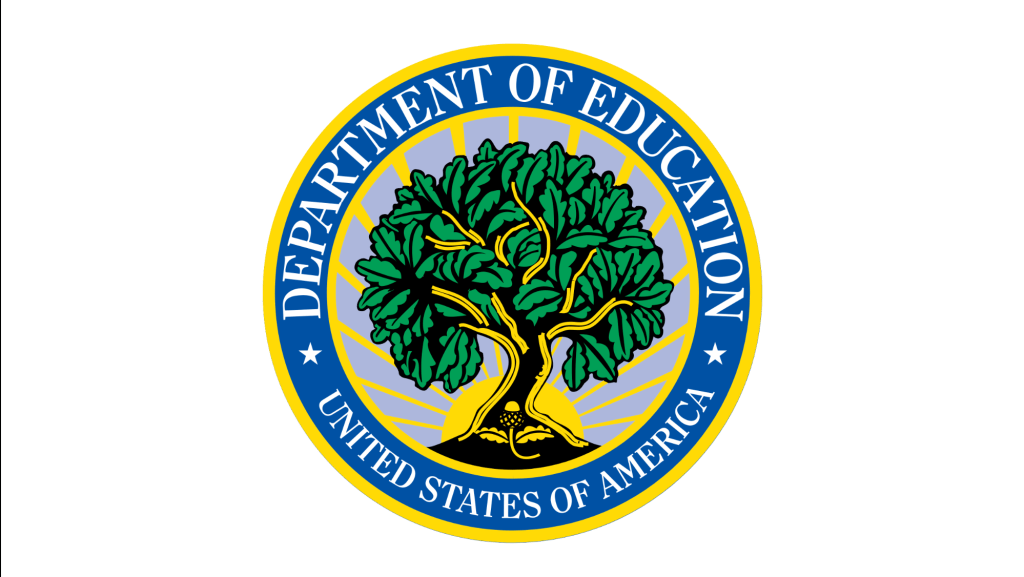
So far, Harvard has been the first school to file a lawsuit against the President with the next hearing to be held on July 21st 2025, under the pretext of a violation of the First Amendment.
It can be argued that there is a problem surrounding anti-semitism on college campuses, however, as highlighted by the Princeton President, there are proper venues and ways to address such issues that protect free speech and democracy.
So far the rest of the ivys seem to be universally opposed to Donald Trump despite Columbia initially complying with certain government grants. On April 22nd the Elite Schools as well as hundreds of other college campuses signed a collective letter speaking against “unprecedented government overreach and political interference”.
Regardless, the current situation of education in the United States raises several questions. From financial instability to a decline in international students, the consequences will be inevitable. The institutional autonomy of schools in the US has promoted democracy, safety, and opportunity. The erosion of this autonomy is undoubtedly worrisome to students and should be equally so to the citizens of the US.
LILA Gazette 7 part coverage of the Trump administration :
Worldwide: Trump as seen abroad
The Closure of the Department of Education impacts the most vulnerable students
Opposition to Trump’s cuts to research takes the streets of L.A.
Why Greenland? Trump’s strange colonialist attempt
Marcel Dirsus: “We are witnessing a frontal assault on the institutions”
Trump presidency rocks the nation
Admiral Stavridis: How the Evolving Trump Administration Policies Impact International Security



 lilagazette.com
Leave a comment