

LILA Gazette dives into how blue jeans conquered American closets and the history of how it came to be.
By Mateen Khorsandi – 8th grade.
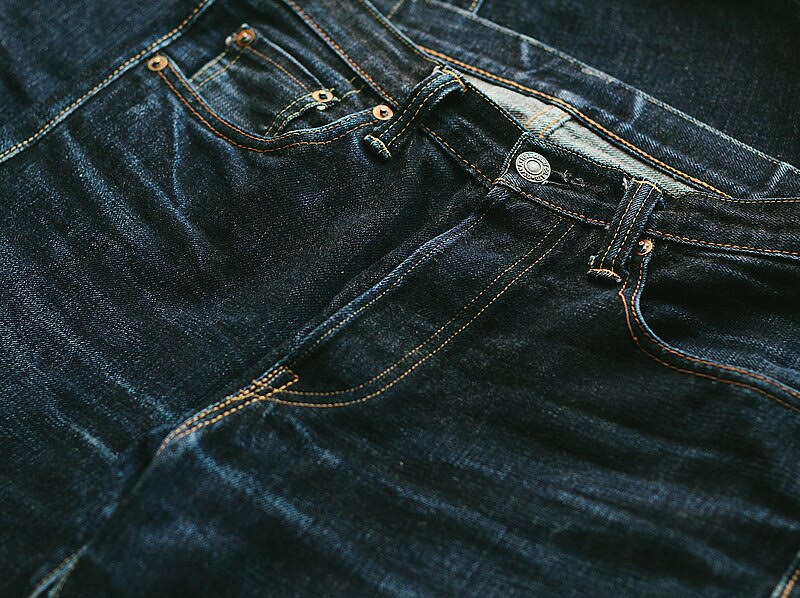
The history of blue jeans dates a while back, in the 17th century in Nimes, France. The word “denim” is said to come from “de Nimes” to show its french roots as well as jeans coming from “bleu du Gênes”. Gênes refers to the city of Genoa in Italy, where a “jean fustian” was being produced. Later, during the Great Depression of the 1930s, it is said that from working-class garments, it became more commonly used for all purposes. Today, it has conquered the US closets becoming one of the most worn pieces of clothing in the US.
Historians and researchers believe that it originated in France in the 1600’s, specifically in Nimes. Yet, the material used to create “serge de Nimes” was woven from wool and silk, but present “denim” is simply made of cotton. The meaning of Serge comes from a french noun and adjective meaning “strong, usually woven cloth”. Nevertheless, current research suggests that an English textile used a french name to sound more fancy and get more sales. Wherever the fabric originated “serge de Nimes” arrived in the US in the 1700’s but it was introduced a lot earlier. Later, this fabric helped Levi Strauss and his coworkers to create the jeans we know today.

Levi Strauss has a big involvement with the creation of blue denim jeans. Strauss had arrived in the US from Buttenheim, Germany in the late 1840’s to join his two brothers in a wholesale dry goods business located in New York. They specialized in manufacturing fabric, building Strauss’ understanding of the realm. Later in 1853, Strauss, lured by the California Gold Rush departed to San Francisco by boat in hopes of increasing his financial status. There, he established a branch of the family business. He’d wait another 20 years before his popular invention of the jeans.
During Strauss’ time working, he created work pants to sell to the miners and several other people. In 1872, one of Strauss’ regular buyers Jacob Davis wrote him a letter saying he could make his pants more durable by adding metal rivets. After that day, the two decided to become business partners, later getting a patent in 1873 for their creation “the blue jeans”.
In 1906, two years after Strauss’ death in 1904 and two years before his own (1908). Davis signed over his rights of the patent to Levi Strauss & Co. ; a business that outlived them and still lives on to this day.
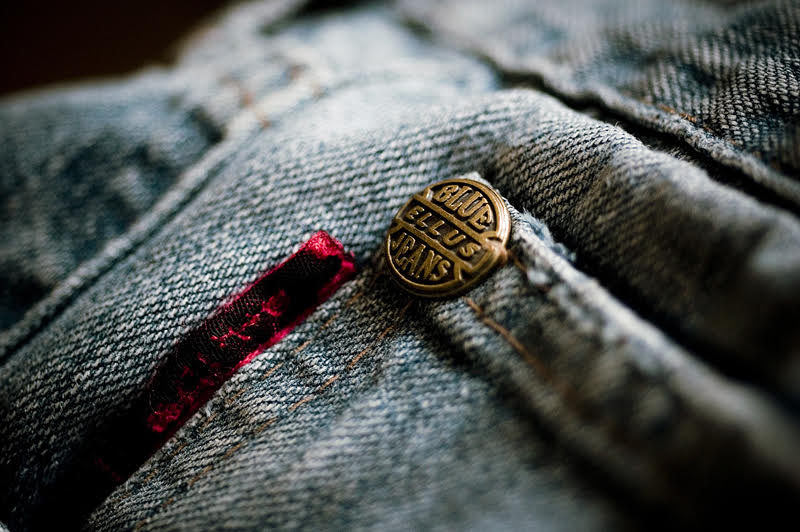
Throughout the 20th century blue jeans were still considered work clothes and sold steadily, not all purpose like they are now. Things began to change during the Great Depression in the 1930’s. Blue jeans had been solely working garments, but companies that sold denim realized that workers and farmers weren’t buying jeans. To solve this problem, they decided to target middle-class Americans. With the help of Hollywood, jeans were advertised in several films/movies appearing as “everything clothes” increasing their sales greatly. In 1934 Jeans gained even more popularity by introducing jeans tailored for women (Lady Levi’s), by using zippers instead of button flies, their women customers increased by a great amount.
The history of blue jeans is a story of change, from beginnings in 17th century France to becoming a symbol of American culture. What started as workwear for miners and laborers gradually found its way into fashion, especially during the Great Depression when companies made jeans everyday clothing. With the help of Hollywood and additions like women’s styles, blue jeans became a part of American wardrobes. Today, jeans are still improving their stretch technology as one of the most popular garments worldwide.




 lilagazette.com
Leave a comment