

Rebel screens and cinematic dreams: the LILA Gazette takes you inside the Vista Theatre´s century of defiance and delight.

By Carys Thomas (text and photos) – 8th grade.
The Vista Theatre, standing proudly on Sunset Boulevard in Los Feliz, is one of Los Angeles’ most enchanting and enduring cinematic landmarks. Opened in 1923, its exterior exudes the romantic charm of Spanish Mission Revival architecture, while the interior surprises and delights with lavish Egyptian-inspired décor: hieroglyphs carved into walls, sculpted sphinxes perched along balconies, and rich ornamentation that hints at a world beyond the screen. From the moment audiences first stepped inside, it was clear that the Vista offered more than a film—it offered an experience, a ritual of cinema as both spectacle and sanctuary.
In its early years, the Vista operated as a typical neighborhood theater, showing the popular features and shorts of the silent era, accompanied by orchestral scores and live piano performances. But even then, there were glimpses of its future identity as a venue unafraid to challenge conventions. By the 1950s, as the Cold War gripped the nation with fear of communism, the theater took the bold step of screening Soviet films such as The Cranes Are Flying (1957). For some locals, this was scandalous—accusations of “un-American propaganda” flew—but for others, it was an opportunity to engage with perspectives and storytelling far removed from the Hollywood mainstream. Around this time, the Vista also began showing films with gay themes, long before queer cinema had found a home anywhere in the United States. Titles that explored sexuality and identity were met with suspicion, sometimes outrage, but they also gave the theater a reputation as a daring, if controversial, cultural hub.

The 1960s brought a new wave of artistic audacity. As the social fabric of America shifted, the Vista again found itself at the center of debate, screening adult films and works featuring same-sex content. At a time when LGBTQ+ individuals faced systemic discrimination and censorship was enforced rigorously, these screenings were acts of quiet rebellion, giving voice and visibility to stories often erased from public discourse. Beyond politics, this was also a period when the theater embraced the possibilities of cinema as art: it showed films like Harold and Maude, a darkly comic meditation on life and love, alongside revival screenings of Gone with the Wind, reminding audiences of cinema’s emotional and historical power.
Yet even as it carved out this role, the Vista’s fortunes waxed and waned. By the 1980s, under Landmark Theatres, it struggled to compete with the rise of multiplexes and home video. Its closure in 1985 marked a somber period in which the neighborhood lost more than a theater—it lost a communal space for art, debate, and cultural memory. The revival began in the 1990s, when Vintage Cinemas acquired the theater, restoring its marquee, auditorium, and historic charm, and reopening it as a space where classic, cult, and significant films could live on the big screen for new audiences.
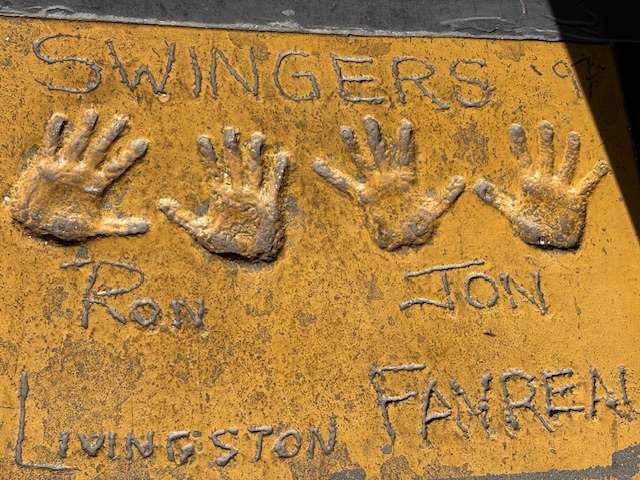
The next chapter arrived in 2021, when Quentin Tarantino—filmmaker of global renown, whose works include Pulp Fiction, Kill Bill, and Once Upon a Time… in Hollywood—purchased the Vista. Known for his encyclopedic knowledge of film history and devotion to celluloid projection, Tarantino vowed to preserve the theater’s character, showing films on 35mm or 70mm prints rather than digital formats. The reopening, in 2023, combined first-run releases with classics, signaling a commitment to both contemporary and historic cinema. Under Tarantino’s care, the Vista is not simply a theater; it is a curated experience, a place where audiences can witness the textures, rhythms, and craft of filmmaking as they were meant to be seen.
The significance of the Vista extends far beyond Los Feliz. Politically, it has been a venue where art engages with debate—from Cold War anxieties to LGBTQ+ visibility. Artistically, it preserves the language of cinema, ensuring that modern audiences can experience films as their creators intended, whether through the grain of 35mm film or the sweeping compositions of Golden Age Hollywood. Socially, it functions as a gathering place, reminding us that the magic of cinema is at its richest when shared. For filmmakers, cinephiles, and casual viewers alike, the Vista represents the living history of the medium: a space where culture, politics, and artistry converge, and where the preservation of experience matters as much as the preservation of films themselves.

To walk into the Vista today is to step across almost a century of cinematic history, a place where controversy and creativity have always coexisted, where audiences have been challenged, delighted, and transported. It is a reminder that the theater, the communal act of watching film, and the reverence for celluloid itself are worth protecting. In preserving the Vista, Los Angeles preserves not only a building, but the very heart of cinema: a medium capable of moving minds, provoking thought, and connecting communities across generations. In a world dominated by streaming and algorithms, the Vista insists on the human dimension of movies, making sure to keep its classic charm and modern witnesses at large.




 lilagazette.com
Leave a comment