
The LILA Gazette examines how we are rekindling our past relationship with the big screen.

By Belén Haberman – 8th grade.
In today’s day and age, streaming is at the height of its popularity and has a large impact on contemporary society. We often gloss over how easily we can switch on an app, tap a screen, and in a few seconds be watching today’s newest, nailbiting blockbuster. But do we truly take enough time to stop and consider just how much we’re missing by saying goodbye to the box office at our local theaters? So press pause on your latest Netflix binge and get ready to find out…
The streaming world is an all-powerful media hub that caters to everyone and anyone, having both negative and positive effects on modern movie production. The endless content options and convenience offered by streaming platforms often overshadow films being shown in independent theaters. However, streaming can also be used by indie filmmakers as a means for self-representation and, as a result, potentially catalyze the popularity of their work. Well known platforms including Netflix, Amazon Prime, and Disney+ invest in original projects, continuously producing shows that appeal to subscribers but could potentially decrease public interest in visiting theaters. Old fashioned cinemas simply offer the same product but with the additional “hassle” of leaving one’s home.
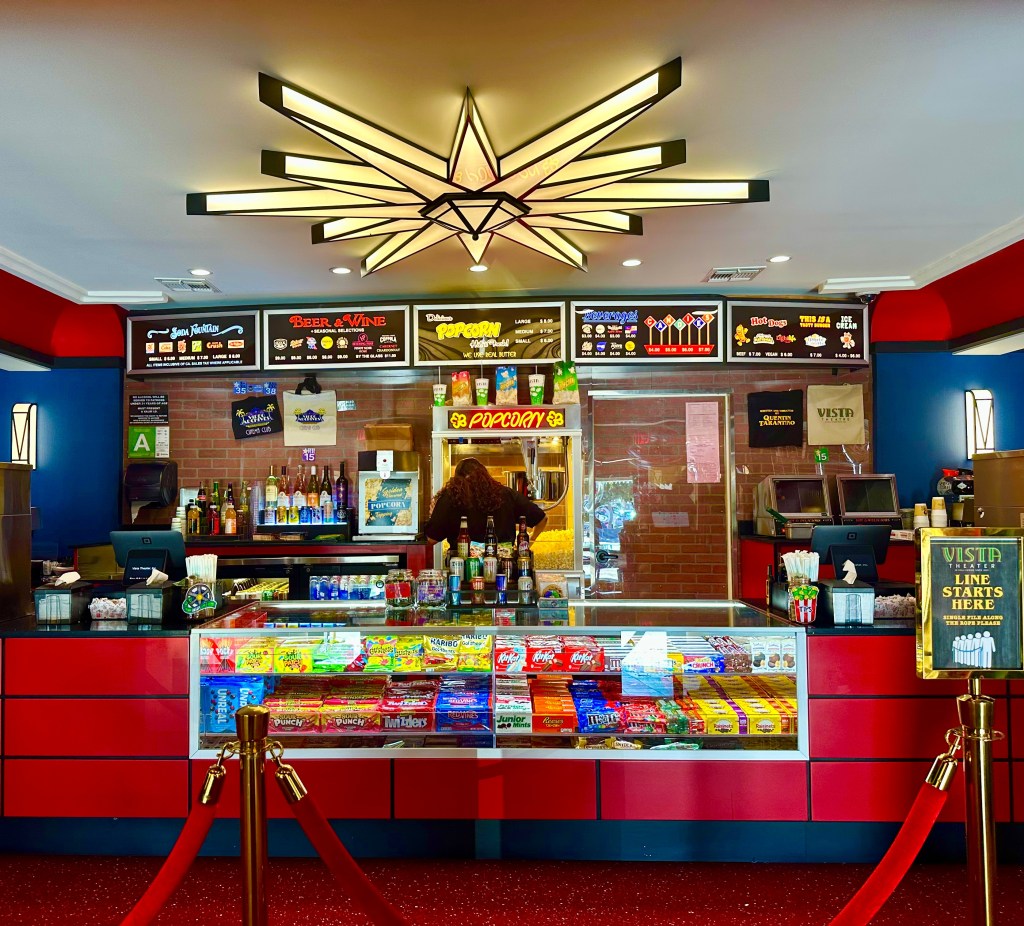
Different societies view the importance of leisure activities such as movie-going in varying degrees. In America, for instance, 65% of the population prefers to remain at home while watching a film and the remaining 35% enjoy visiting the theaters. Most theaters in the U.S feel the obligation to incorporate additional activities into their business models and become multi-purpose. Additionally, the number of movie screens existing in the U.S. experienced an overall dip of 5.3% by 2019 and continued to drop throughout the pandemic. In contrast, when bouncing back from COVID, France recovered from the toll of social distancing more quickly and efficiently than other countries, a trend that was reflected in movie-going practices.
According to journalist Richard Fausset of the New York Times “France was one of the few countries that saw an increase in movie theater attendance (…) with more than 181 million attendees, an uptick of nearly a million.” Unlike the U.S, France has implemented a requirement for films to be shown in theaters for at least four months before being available to stream by the public. This ensures the film will have the opportunity to enjoy material success through the box office before becoming just another product to stream. Furthermore, because cinema is considered a key element of French culture, the act of theater-going has been preserved with as much care as historical landmarks, artifacts, and other traditions. One central measure that is used to ensure the transmission of a love of film across generations is the incorporation of cinema immersion into standard French curricula: a priority that is non-existent in America.
There is a vast difference between watching a movie in the comfort of your own home and experiencing cinema in a public setting. Streaming provides a personalized and convenient experience that is favorable for those with heavily packed schedules and introverts. On the other hand, viewing a film in the theater is more traditional and helps bring communities together. Despite it being slightly intimidating for less social individuals, going to the cinema offers a magical and nostalgic experience that streaming can never compete with. This is why theaters that continue to offer traditional screenings are treasured by many.
Independent and commercial theaters each serve their own unique purpose for their prospective audiences. For instance, by realizing they needed to adapt with rapidly changing tastes and technologies, large multiplex cinemas have found ways to generate old-fashioned excitement to lure in large groups of movie-goers. We saw this with the spectacular duo release of Oppenheimer and Barbie and with the recent release of Stranger Things’ final episode. A Netflix original that began in 2016, Stranger Things has become an all time favorite for audiences all around the world. Because of the huge popularity it has gained on the streaming platform over the years, more than a million fans got tickets when 600+ commercial theaters partnered with Netflix to stream the finale.
Independent theaters have steadfastly stuck to the script throughout the years by offering uniquely curated selections of older classic movies and independent films. The vintage, retro qualities of independent theatres today create an attractive, inviting atmosphere that differentiates them from large chain cinema conglomerates. By immersing their audiences in alluring ambiances, these small theaters found a way to appeal to the hearts of their communities. Features include gourmet concession stands to nosh on artisanal snacks, intimate bar settings with hand-crafted cocktails, and even video stores carrying dvd’s rentals where attendees can mingle and socialize. Indeed, independent theaters exist all over the world and are essential in keeping the tradition of going to the movies alive.
In a time of particular political instability and hostility, today’s consumers are more likely to seek refuge by indulging in a comforting blast to the past; an experience that is perfectly encapsulated by watching films in independent venues. Independent theaters also promote emerging filmmakers and artistic expression that big studios wouldn’t necessarily bankroll. Although the mega-chains will rapidly draw the attention of the public with their new and exciting blockbusters, a spotlight should equally be shown on the original programming that independents offer. Especially since independent theaters don’t have the financial means that commercial theaters do, it’s imperative that they have the public’s support in order to survive. Here below is a selected list of the most influential independent theaters in Paris, New York, and your home city Los Angeles:
Los Angeles
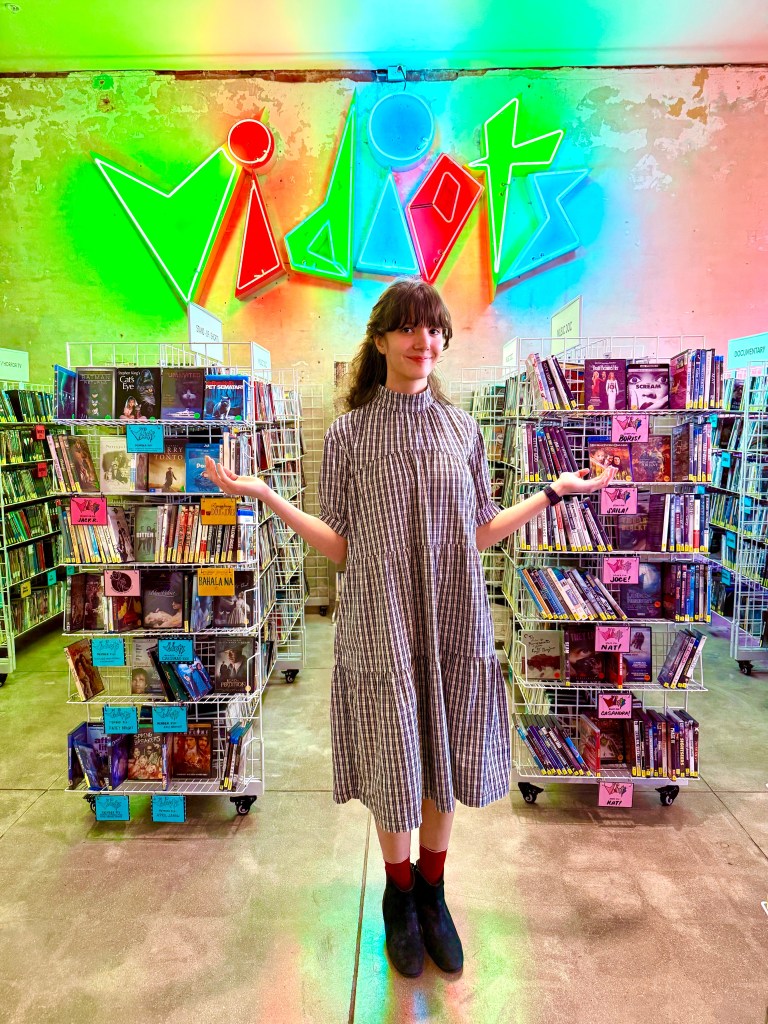
- Vidiots: Established in 1985, Vidiots was founded by women Patty Polinger and Cathy Tauber. It was first a video store and was originally located in Santa Monica. Vidiots became a non-profit organization mainly due to the rapid growth of streaming services and the development of digital cameras. Later, with rising costs and the growth of popularity in the streaming world, its Santa Monica location was forced to shut down. Fortunately, Vidiots was able to reopen as an independent theater in its present Eagle Rock location and, to this day, showcases a wide variety of films from all over the world. Open seven days a week, Vidiots offers a full store of Blue ray and DVD rentals and is, without question, one of my favorite theaters in LA.
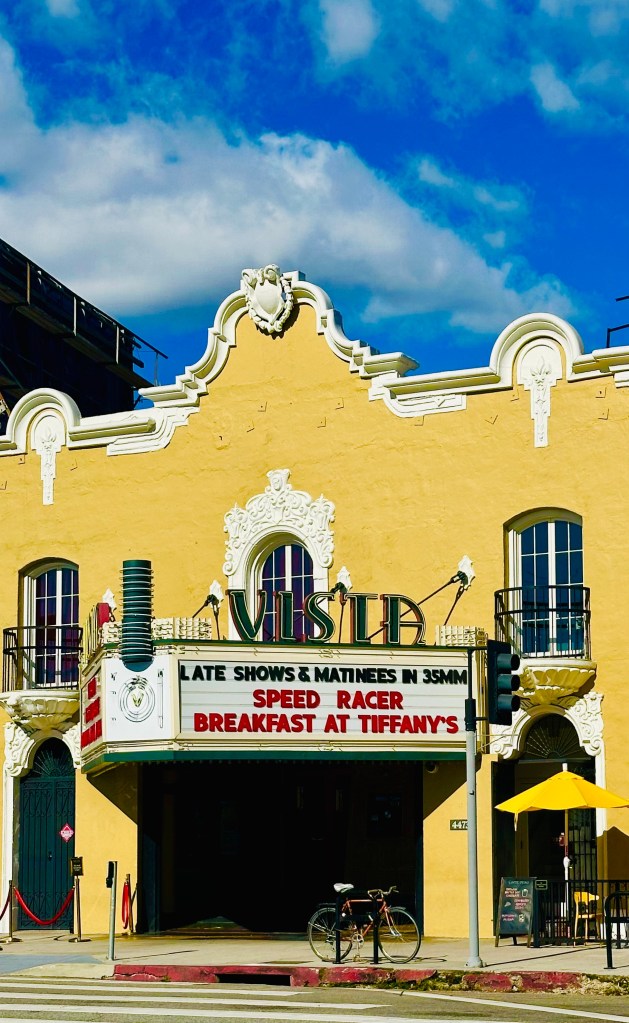
- Vista Theater: ( see Rewind and Replay: The Vista Theatre’s 100 year Odyssey to learn more) The Vista Theater in Los Feliz has been owned by the iconic filmmaker and director, Quentin Tarantino since 2021 and it grew in popularity because of this. It exhibits newly released films on 35mm as well as a few classics including Jaws and To Kill a Mockingbird. The Vista also immerses its audience in a unique watching experience with its state-of-the-art sound system.
- Egyptian Theater: The Egyptian Theater was built in 1922 Hollywood during the silent film era and is considered a historical landmark. Despite it being recently acquired by Netflix, this theater still shows independent films and hosts the American Cinematheque and many film festivals including Beyond Fest and Noir City: Hollywood.
New York
- Film Forum: Located in Hudson Square, the Film Forum began in 1970 as a non-profit cinema. With its recent renovations, it now has a fourth theater and shows a wide selection of classic films, exotic indies, and foreign movies.
- Angelika Film Center: The Angelika Film Center was built in 1989 in Greenwich Village. It plays a diverse mix of independent films, and is one of the most successful independent movie theaters in the US. As a tasty addition, the Center has a cafe above for snacks after watching films.
- Paris Theater: The Paris Theater is the longest running arthouse in NYC. It is in Midtown East and is Manhattan’s only lasting single screen theater. Since November 6, 2019 the theater has been owned by Netflix and now screens contemporary and indie films while also incorporating Netflix’s new releases into their program.
Paris
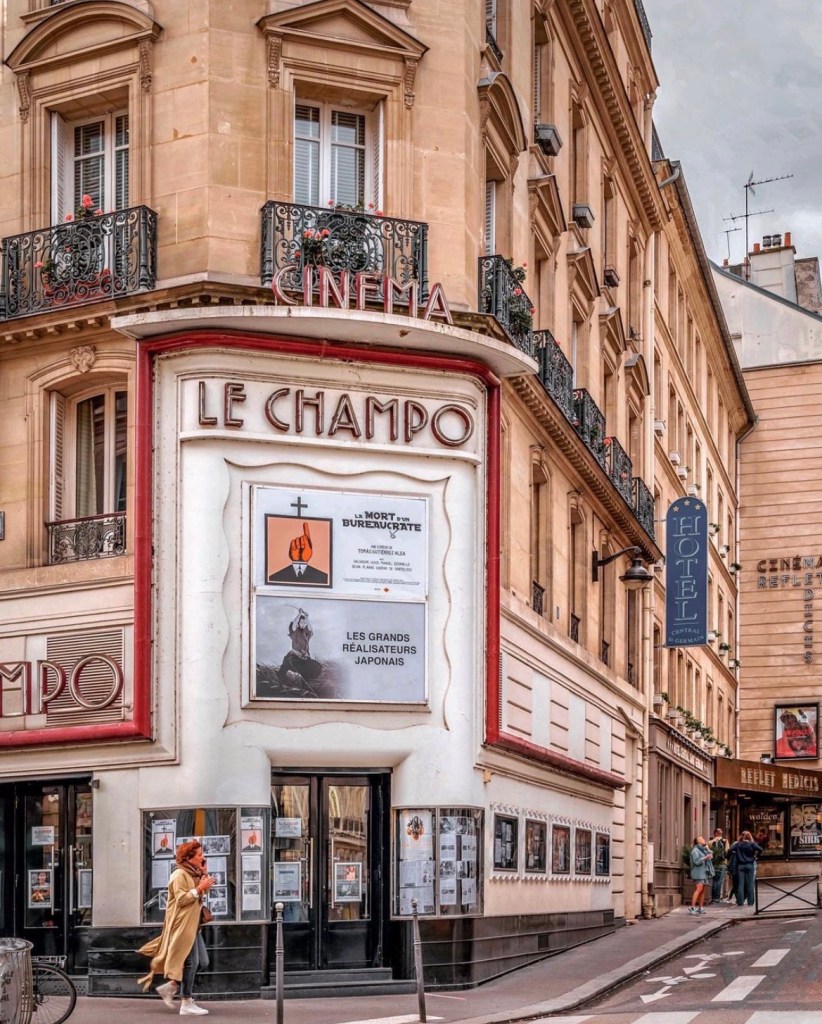
- Le Champo: Le Champo opened in the 5th arrondissement June 22, 1938 and is considered a “lieu de cult” for cinema professionals including René Clair, Claude Lelouch, Jean-Luc Godard, François Truffaut, and Louis Malle. It showcases rare and arthouse films and focuses on retrospectives.
- St Michel: Le St Michel theater shows films of many genres including drama, comedies, and documentaries. It was opened on December 22, 1911 in the 10th arrondissement by Victor Gadon, and is oriented towards the production of French and worldwide directors.
- L’Action Christine: L’Action Christine was founded in the 6th arrondissement in the 1980s and screens experimental, classic and avant-gardes films.
Though streaming certainly has its benefits, nothing can replace the intimacy of communal viewing experiences. Shared fear, laughter, and tears can bring complete strangers together, reminding us that we are all more alike than we think and, most importantly, that we are never truly alone. Thus, movie theaters are far more than venues for entertainment: they are sanctuaries for social connection and self expression. So, before you unpause that Netflix episode, why not give the theater a try?


 lilagazette.com
Leave a comment