
The main federal immigration enforcement agency might soon leave Minneapolis after weeks of confrontations that left two civilians dead and an international outcry.
By Stella Ly – 9th grade.
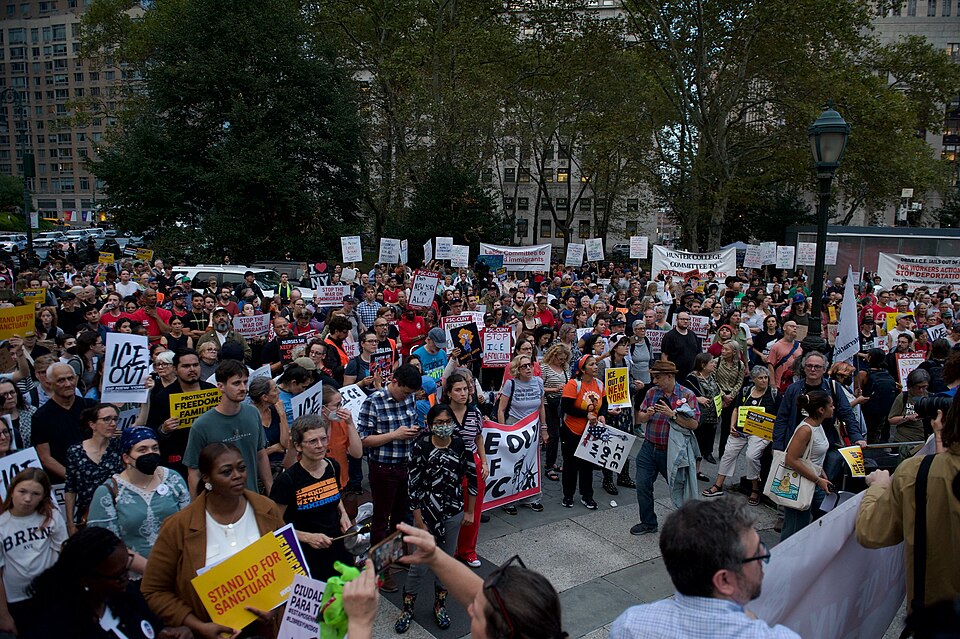
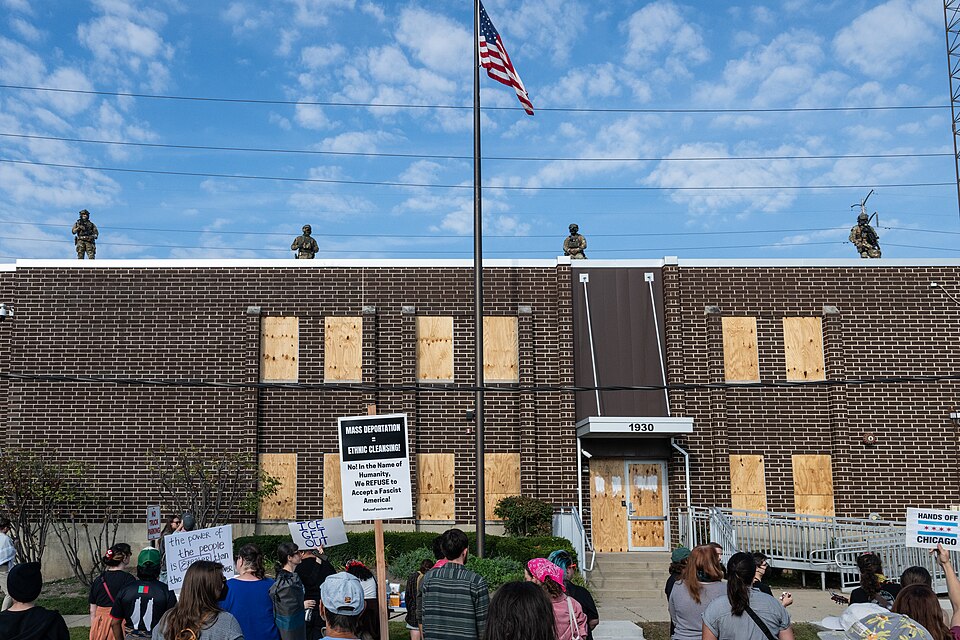
Minnesota residents line the streets to protest ICE (U.S. Immigration Customs and Enforcement), as the recent events shock the nation. Not even a month into 2026, two Minneapolis residents were shot and killed by ICE agents. The first victim being Renee Good, 37 years old and mother of three children, Good was shot and killed on January 7th, by an ICE agent who claimed to be acting in self-defense from Good’s moving vehicle. Soon after on January 24th, Alex Pretti, a 37 year old ICU nurse was shot at 10 times by multiple CBP (U.S. Customs and Border Protection) officers and tragically died on the streets of downtown Minneapolis.
A little more than six months before these tragedies, in July of 2025, a detained Salvadoran immigrant in California was monitored 24/7 as she suffered a medical emergency. For days ICE sat in the hospital lobby monitoring the patient who was experiencing an imperative medical emergency, listening into conversations that should have been confidential to the patient. Soon after the detainee was pressured by ICE agents into discharging from the hospital, stating that they would not be able to speak with their lawyer or family until they cooperated. According to the Los Angeles Times, the patient’s attorney stated that her client felt like “she was being tortured”.
There has been a drastic change in ICE encounters over the past 20 years. As of 2025, ICE has detained hundreds of thousands of people, and these numbers are only bound to go up. Workplaces such as car washes and farms to university campuses, ICE isn’t holding back. Many being held in custody have no criminal record and have never been convicted of a violent crime.
Out of the thousands being detained, death is a common occurrence. From medical neglect to overcrowding, the American Immigration Council has stated centers are currently in a “dire and inhuman” state . Events of suicide are also cases in these centers, as the conditions are so poor and overfilling with people. Detainees include those seeking asylum, immigrants who overstayed or violated terms of their visa, people who crossed the border illegally, etc.
Established in 2003 under George W. Bush, ICE was a response to the 9/11 attacks with the intention of protecting the public safety and security of Americans. Following the Homeland Security Act of 2002, ICE is responsible for protecting U.S. borders by enforcing immigration regulations and laws. They hold the power to detain, deport, and convict any unauthorized immigrant. They also handle cases involving criminal and terrorist activity that threaten the safety of U.S. customs.
Though deportation rates have increased significantly over the past several years, immigration related circumstances are not unfamiliar to the U.S. Policies such as the Immigration Reform and Control Act (IRCA) of 1986 is an example of the U.S. ‘s background dealing with immigration. Passed in 1986 under Ronald Regean, IRCA states that employers are prohibited and would be penalized for knowingly hiring either illegal or undocumented immigrants. IRCA also offered naturalization and permanent residents to illegal immigrants, granted they entered the U.S. before 1982. This act was intended to preserve jobs for those who were authorized to work them and discourage illegal immigrants from working in the U.S.
This was only the beginning. In 1996, the Illegal Immigration Reform and Immigrant Responsibility Act of 1996 (IIRAIRA) was passed under Bill Clinton. Not only did this act furthermore penalize illegal immigrants who stayed in the U.S. for extended periods of time, but it also strengthened border control to try and prevent undocumented immigrants from entering the U.S.
Although IRCA and IIRAIRA significantly changed the way immigration in the U.S. was viewed, the Deferred Action for Childhood Arrivals (DACA) was a pivotal event in U.S. history, affecting hundreds of thousands young immigrants. Created by the Obama administration in 2012, DACA provided protection to undocumented young adults, otherwise known as “Dreamers”, who were brought to the U.S. as children. Not only did it protect them from deportation, but DACA also provided them with the ability to work temporarily or pursue an education.
Funding for ICE runs out on February 13, as Congress is scrambling to decide whether to provide ICE with a bigger budget. Thousands of students across the nation have walked out of school, to protest the treatment and affect ICE has on their communities. Many wonder if situations will continue to worsen if ICE receives more funding, with the 2026 World Cup approaching.



 lilagazette.com
Leave a comment