
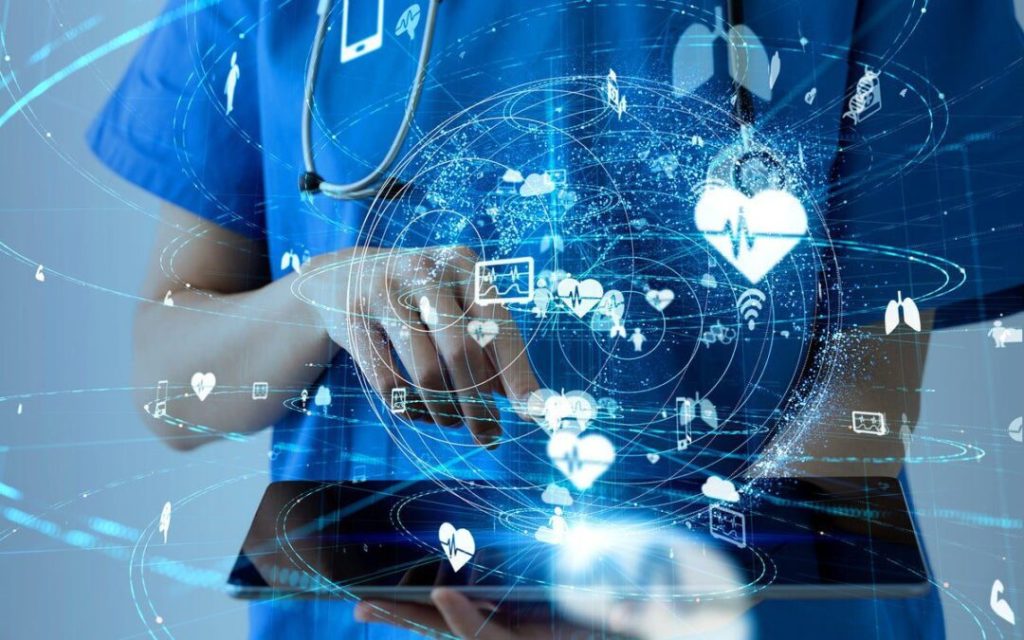
The current digital age is heavily characterized by the pronounced rise of artificial intelligence. With it, comes concern for the safety of certain fields, but also ground-breaking discovery and unimaginable opportunity. LILA Gazette presents the effects of AI, both positive and negative, in the world of medicine.
By Camille Cheung – 11th grade.
In today’s world, as AI becomes more widespread than ever, almost every sector, from creative industries to the medical field, must adapt. Although artificial intelligence remains a powerful tool, many worry about the effect of this dominating technology on jobs. Despite this valid concern, it’s not likely that the role of doctors or nurses will be completely replaced. Nevertheless, technological breakthroughs are becoming more and more prominent and healthcare professionals are having to adapt quickly. In many ways, AI has the potential to enhance efficiency in the medical field and work with physicians rather than against them.
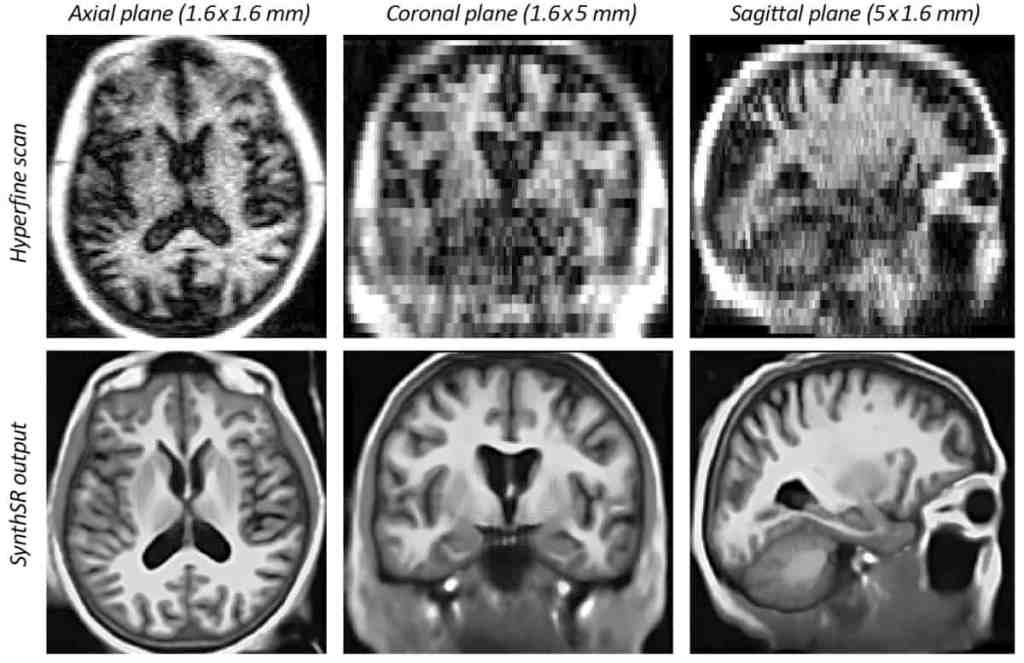
One of the most affected areas of medicine is disease detection. Radiologists are starting to work with artificial intelligence to detect anomalies early on by having it analyze CT scans, X-rays and MRIs. According to research done by the University of California San Francisco, AI could play a big role in detecting heart problems without the use of invasive testing. Normally, coronary angiograms are used to recognize heart disease in patients. This method requires injection of a special dye necessary to track the blood flow, but potentially harmful to the kidneys.
To find a solution, cardiologist Geoff Tison and his team developed an AI model called a deep neural network, which was able to predict the efficiency of the heart’s ventricles. This research could allow medical professionals to accurately diagnose patients, while limiting the use of harmful substances. Further studies have shown AI’s capacity to recognize illnesses early on by presenting images of both healthy and unhealthy organs to AI and training it to spot the anomalies. Codeveloper of this new AI algorithm John Mongan, MD, PhD explains: “I think of this as an additional safety check that can deliver diagnoses and patient care sooner.” Within the sector of pathology, AI has also been used to identify tissue anomalies on a cellular level by enhancing slide processing and making disease detection more accurate. Similarly, AI’s ability to inspect images could aid physicians in recognizing various cancers before they reach a critical stage. Although artificial intelligence is an extremely powerful tool in healthcare, it remains an algorithm capable of making mistakes, confirming the importance of radiologist verification.
Credit: Physics World –
In addition to image analysis, AI could help physicians with personalized patient care. New technology has the ability to speed up the process of clinical trials by automatically updating patient data sets, leaving doctors more time to focus on the empathy component of medicine. Processes of the healthcare environment, especially in critical areas such as emergency care, could run smoother with the help of artificial intelligence in the finding of patient history. AI could also answer patient questions outside of normal business hours, offering immediate care and support 24/7. Despite these changes, artificial intelligence is unable to replace the care and compassion that doctors offer in the face of medical challenges and diagnostics. Because of this, it’s unlikely that AI will fully replace physicians. Mitchell Goldenberg, MBBS, PhD, a urologist with USC Urology, explains: “I think what we’re looking for is not necessarily the perfect AI model that’s going to be 100% accurate but more AI technology that can help a physician make a diagnosis rather than replacing the doctor’s clinical decision making. At the end of the day, it’s a physician-patient relationship.” Instead, it will most likely enhance medical treatment by completing repetitive and tedious tasks, allowing doctors to focus on patient care. Furthermore, these advancements would likely lead to a reduction of physician burnout, making the medical field more accessible.
Despite the numerous benefits AI has to offer, various ethical problems and limitations present obstacles in the face of this developing technology. Primarily, AI lacks the emotional understanding and intuitional judgement needed to make proper decisions in the medical field. AI developed algorithms may also be biased depending on the diversity of the training population, leading to potential errors in the diagnosis of minorities. Security and privacy are other causes for concern when mentioning AI. Because of the digital nature of medical documents, data security and compliance to regulations are indispensable to protect sensitive information. In order to fully respect patient confidentiality, healthcare professionals will have to receive extensive training to learn to work with AI technology.
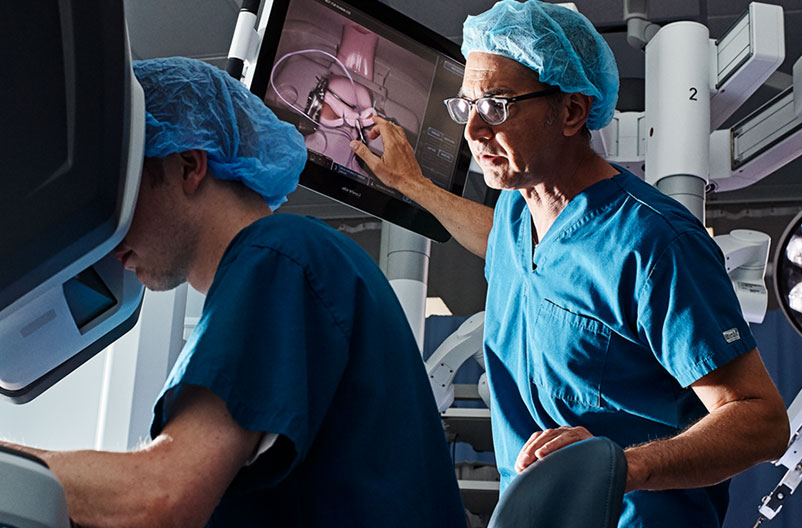
Although rules and limitations are necessary for physician-machine collaboration, artificial intelligence has the ability to completely transform the medical field. The world of healthcare is already changing rapidly, allowing doctors to work alongside AI. The results include improved efficiency and new discoveries, leading to an enhanced field of work.


 lilagazette.com
Leave a comment