
The Formula 1 2026 regulations pivot to a more sustainable approach, strategically created to attract new manufacturing companies, team dynamics and unlock new markets. LILA Gazette explores why the rules exist, who is joining F1 because of them and what the economic and competitive implications are.
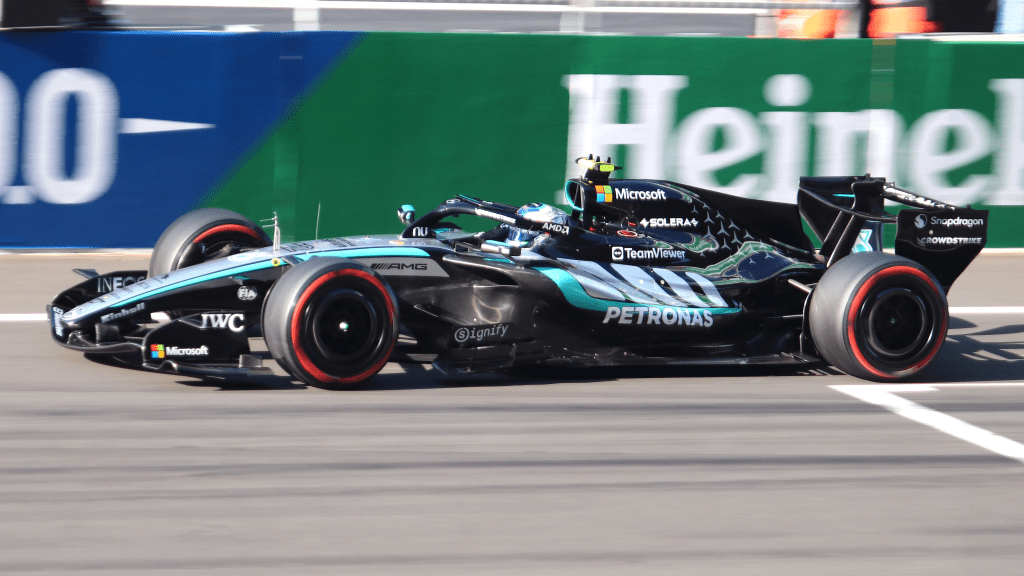
By Veronica Huang – 9th grade.
One of the main reasons Formula 1 is going green is to stay relevant in an industry that is focused on and shifting towards electric/hybrid sustainable fuels. With 50/50 combustion and electric split, it keeps manufacturers interested in investing into the sport. Major companies (GM, Toyota, Honda, Audi, Mercedes) are investing billions into hybrid vehicles. If F1 continues to be only combustion based, it will slowly become technologically irrelevant and will not attract new investors. By adjusting their car and engine standards to modern automotives trends it also allows F1 cars to have research and development opportunities for road cars hence the entry of Audi, Cadillac, Honda, Ford.
In addition to technological relevance, sustainability helps build F1’s global image. As environmental challenges continue to persevere, fans and the general public are becoming increasingly worried about its ties on outdated fossil fuels. The sport’s shift towards sustainability gives F1 a positive reputation for being a future focused and responsible platform.
As a result of these regulation changes several companies are entering or re-entering the sport. A major example is Audi, which bought full stakes over Sauber in January of 2025 with a deal estimating around €650 million. Initially the car manufacturing company owned 25% of the F1 team since 2023 and wanted to increase their ownership to 75% in 2024 but instead planned on a full ownership change in 2026. The German team is planning on using their own engines and power units they have been developing that follows the new sustainable regulations. Another prominent car company Cadillac, backed by General Motors, signifying an expansion of American expansion in the motorsport.
Other partnerships such as the return of Honda, the involvement of Toyota and Ford’s re-entry through Red Bul all point to the same conclusion: Formula 1’s 2026 regulations were strategically designed to attract brands and manufacturing companies.
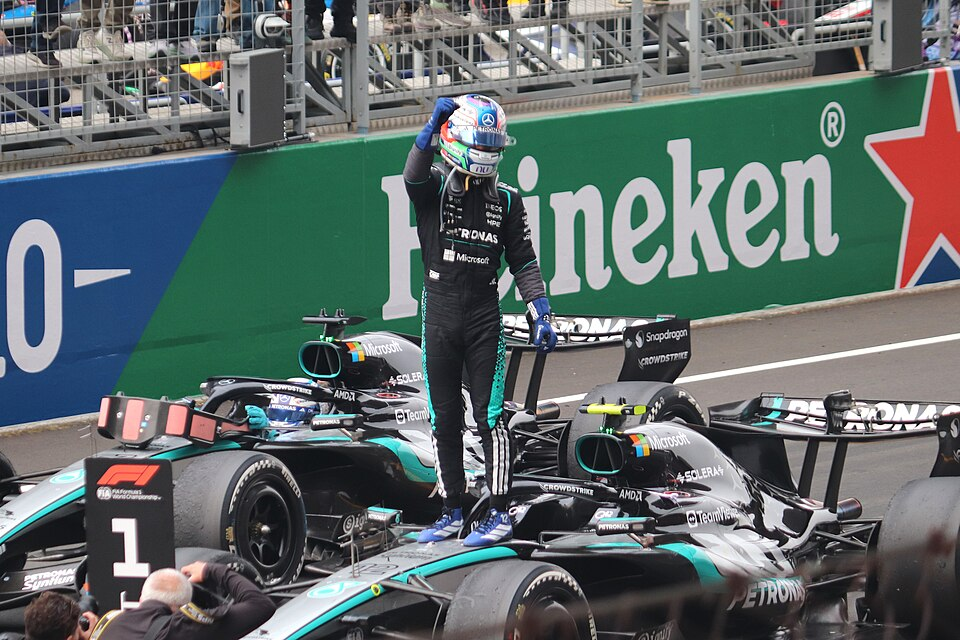
For example, Honda’s collaboration with Redbull embodies this shift. In 2021, Honda had previously left the sport to focus on carbon neutral technology but has returned because of the new regulations promoting electric power and sustainable usage of fuels. Honda plans on supplying power units to F1’s Aston Martin team starting from 2026. This is proof that the new changes have made the sport relevant once again.
Verstappen’s critics
Unlike Honda, Toyota has opted for a collaborative approach with the American team, Haas, rather than a complete team. It’s their safer way to stay connected and closer to the hybrid and developing version of the sport while still maintaining low stakes. Similar to Haas’ structure, Ford is contributing their expertise in their electric software to Red Bull. Allowing the F1 team can focus solely on race strategies and pit stops. Sustainability was not just a mindless move, it was a commercial blue print.
And judging by who is investing, it is working well in their favor.
However, not everyone agrees that the new regulations will improve the sport. Four time world champion Max Verstappen criticized the new direction of the regulations calling the cars “Formula E on steroids” suggesting that F1 has become too dependent on hybrid power. Different pundits and officials of the motorsport have also voiced the same complaints. Sky Sports F1 pundit and former driver Martin Brundle has also expressed concerns on the new advanced technologies changing the character of the motorsport, stating:”Is it as raw as literally elbows out, Senna versus Mansell type stuff? No, it’s not.”, referring to two giant drivers from the 1980’s and 1990’s. These criticisms highlight the broader issue that while the sport is progressing in sustainability, energy management and electrical technologies could also push F1 away from the flat-out racing and the traditional style that fans have associated with the sport for ages. As a result, although the regulations may attract new investors and manufacturers they could also raise questions about Formula 1’s place as the pinnacle of motorsports.
Concerns
Despite these concerns, The F1 changes in 2026 also include economical and competitive implications. Larger platforms now mean larger budgets. There will be a huge rise in the budget cap and spendings of manufacturing companies. During the Ground Effect Era, from 2022-2025, the budget in mind was $95 million but from 2026 forward, the budget permitted will be $215 million as a base allowing changes with the different amount of races and tracks.
At the same time, the changes are not only confined and restricted to factories and investors. They will also be visible out on tracks. In 2026, the cars are expected to be lighter and more agile, pushing drivers to refine their racecraft and sharpen their skills when it comes to wheel to wheel action. This means that energy management will be essential to racecraft, with additions like Overtake Mode replacing DRS to deploy an electrical power push rather than the previously aerodynamic drag reduction.
Other additions like X-Mode and Z-Mode disrupt and complicate race strategy. These factors create a limit on energy deployment and addition of an energy harvesting, defensive system. This increases the strategic complexity of racing and forces engineers and strategists to balance their attacks and conservation thoughtfully throughout the races, making performance not only about raw power but also control.
Clearly, these new regulations aren’t just moral and environmental concerns for the sport, but rather a business and competitive strategy. The future will tell if this was the right strategy move for the F1 world.





 lilagazette.com
Leave a comment