
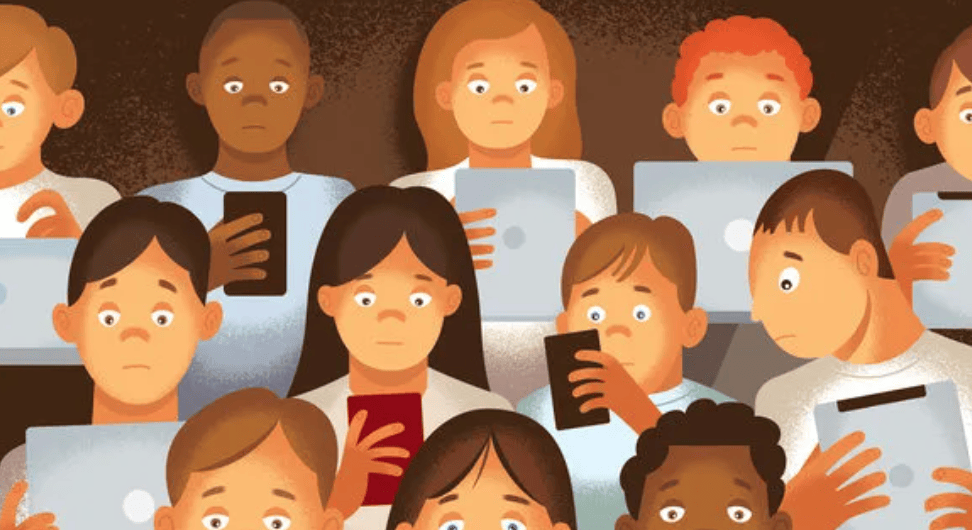
What if the device designed to connect us is secretly shrinking our attention span? Screen time is no longer just a parenting issue—it is a neurological evolution affecting toddlers and CEOs alike.

By Carys Thomas – 9th grade
In our hyper-connected world, the average person spends hours each day staring at glowing displays, making the relationship between screen time and the brain one of the most critical public health conversations of our time. From the rapid-fire stimuli of social media algorithms to the blue light emitted by smartphones, digital consumption is actively reshaping our neural pathways. While these technologies offer unprecedented access to information and global connection, emerging neuroimaging and psychological research suggests that excessive exposure can fundamentally alter cognitive development, attention spans, and emotional regulation. Understanding how this constant digital engagement rewires our minds is no longer just a matter of productivity—it is essential for protecting our long-term mental well-being and cognitive health.
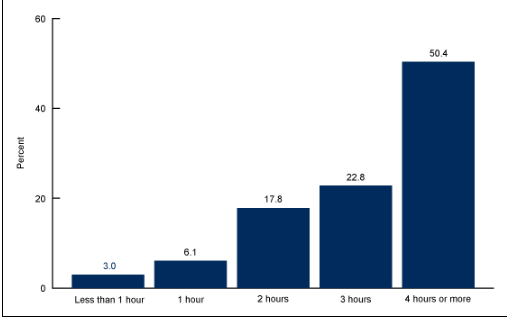
Screens are especially influential during adolescence, a period when habits, social relationships and identities are still developing. According to the U.S. Centers for Disease Control and Prevention´s National Center for Statistics, 50.4% of teenagers between the ages 12 and 17 reported four or more hours of daily screen time between July 2021 and December 2023, excluding time spent on schoolwork. The CDC also found that teenagers with higher screen use were more likely to report irregular sleep routines and not feeling well-rested. The statistics do not prove that screen time directly causes these problems, but they demonstrate how deeply digital media has entered the daily lives of young people.
For teenagers, the issue is not simply the number of hours spent looking at a screen. It is what happens during those hours. Social media, video platforms and online games are designed to provide a constant stream of new content. Notifications interrupt concentration, while endless scrolling removes the natural stopping point that older forms of entertainment provided. A teenager can open a phone intending to check one message and, minutes later, find themselves watching videos they never planned to see. The technology does not necessarily force them to continue. It simply makes continuing effortless.
To understand how this affects students in everyday life, I interviewed some students and adults at the International School of Los Angeles. One student, who asked to remain anonymous, explained that his phone is not particularly addictive because he does not use it heavily for entertainment. His difficulty comes from other devices, particularly his computer and gaming consoles. When schoolwork becomes frustrating or boring, those devices offer an immediate escape. Instead of finishing an assignment, he can easily switch to something more entertaining, turning technology into a tool for procrastination.
His experience demonstrates that screen use cannot always be measured by simply asking how long someone spends on their phone. A student can spend hours on a computer for both schoolwork and entertainment, making the boundary between productivity and distraction increasingly difficult to see. The same device that allows a student to write an essay can also provide an almost limitless number of ways to avoid writing it.
Dr. Sheila Noonen, Head of IT at the International School of Los Angeles, believes that the conversation surrounding technology needs to become more nuanced. ¨We want to limit bad media,¨ she explained, pointing out that some forms of media can have more negative effects than others. For Noonen, the algorithm is an important part of the problem. Platforms can learn what attracts a user and then continue providing similar content, creating an environment where the next video, post or notification is always waiting.
However, Noonen does not believe that technology itself should simply be labeled as harmful. ¨Some have more negative impact than others,¨ she said, emphasizing that the effect can depend on the individual and how they engage with technology. ¨You need to be part of the negotiation.” In other words, users have to become conscious of their own relationship with their devices instead of assuming that every form of screen use is identical.
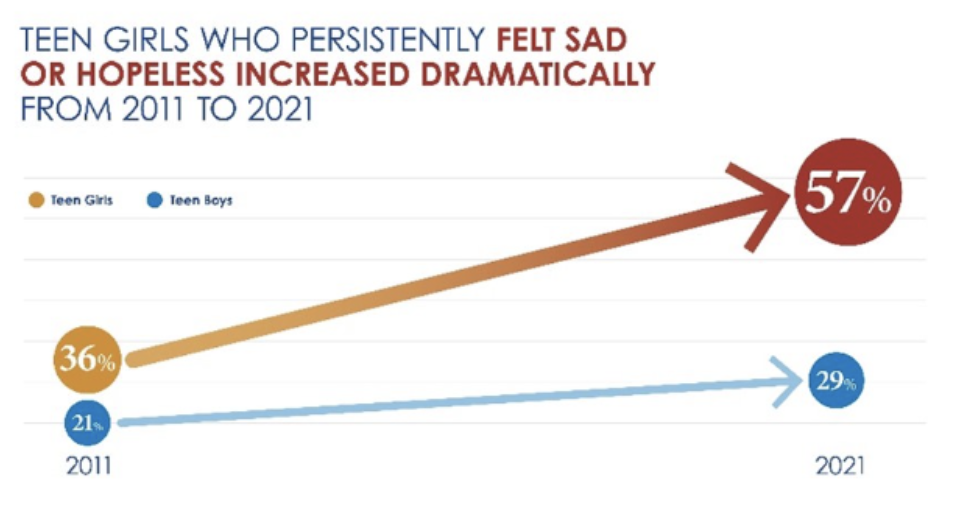
That idea of self regulation becomes particularly important considering social media. Noonen explained that social media platforms can deliberately provoke uncomfortable feelings because strong emotional reactions can keep people engaged. A user who feels insecure, angry, curious, or left out may be more likely to continue scrolling. The result is an environment where attention can become less of a choice and more of a habit.
This can be particularly significant for teenage girls. Social media allows young people to communicate and build communities, but it also creates an environment of constant comparison. Instead of comparing themselves only with people around them, teenagers can now compare appearance, friendships, lifestyles and achievements with thousands of carefully selected images online. In 2023, the CDC reported that 81.8% of female high school students used social media at least several times a day. Frequent social media use was associated with several indicators of poor mental health, although the CDC’s findings do not establish that social media itself causes those outcomes.
The problem also extends beyond teenagers. Adults live in the same digital environment, often spending their working hours surrounded by emails, notifications, video conferences and multiple browser tabs. The difference is that adults may call it productivity while teenagers call it entertainment. Both can involve the same constant switching of attention. A worker may begin writing a report, stop to answer a message and then check the news before returning to the original task. The screen becomes less of a tool and more of an environment.
Children, meanwhile, are growing up in an environment where screens are almost impossible to avoid. Noonen argues that the type of content matters. She pointed to slower-paced educational programming such as Sesame Street as an example of media that operates differently from rapidly changing social media feeds. The distinction suggests that ¨screen time¨ is not one universal experience. Watching educational content, communicating with a friend, completing homework and endlessly scrolling through short videos may all involve the same device, but they demand very different forms of attention.
This is where the debate becomes larger than phones. Technology has changed the environment in which people live, work, learn and communicate. Gen Z and Gen Alpha are not simply using technology; they are growing up inside it. The challenge is learning how to move through that environment without allowing every notification, recommendation or algorithm to determine where attention goes next.
Noonen describes this as a question of awareness: ¨My environment influences me.¨ The solution, in her view, is not necessarily to eliminate technology but to understand how it affects us. Asking ¨How does it make you feel?¨ or physically putting a device away can create a moment of separation between an impulse and an action. Sometimes the most important part of using technology is knowing when to stop using it.
Screens are not disappearing. Neither are algorithms, notifications, or endless feeds. Technology will continue to shape the way teenagers learn, the way adults work and the way people communicate with one another. The question is not whether society can return to a world without screens. It cannot.
The more relevant question is whether people can remain in control of their attention while living in a world built to capture it. The screen lights up. A notification appears. A new video begins.
And we look.





Leave a Reply