
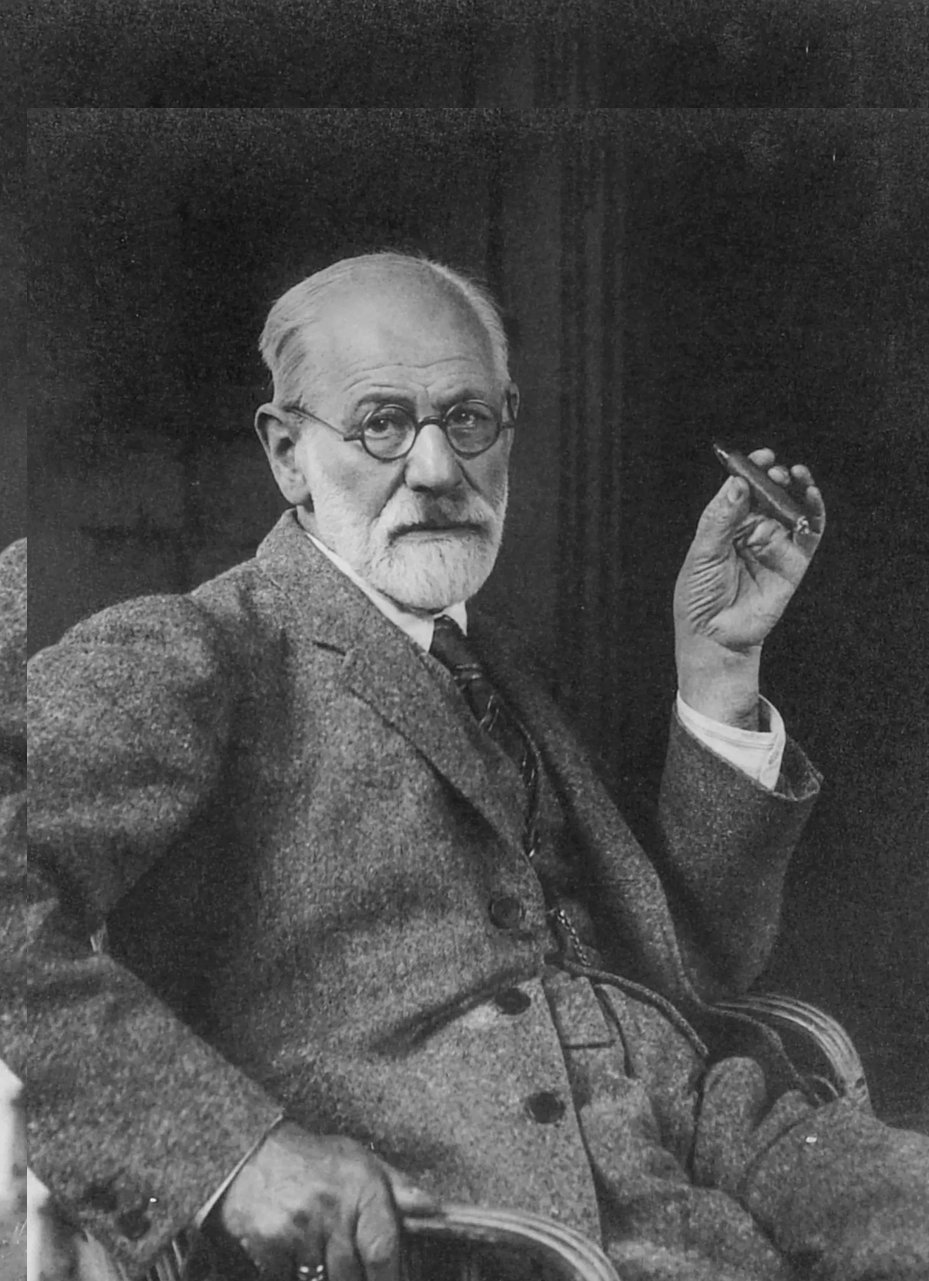
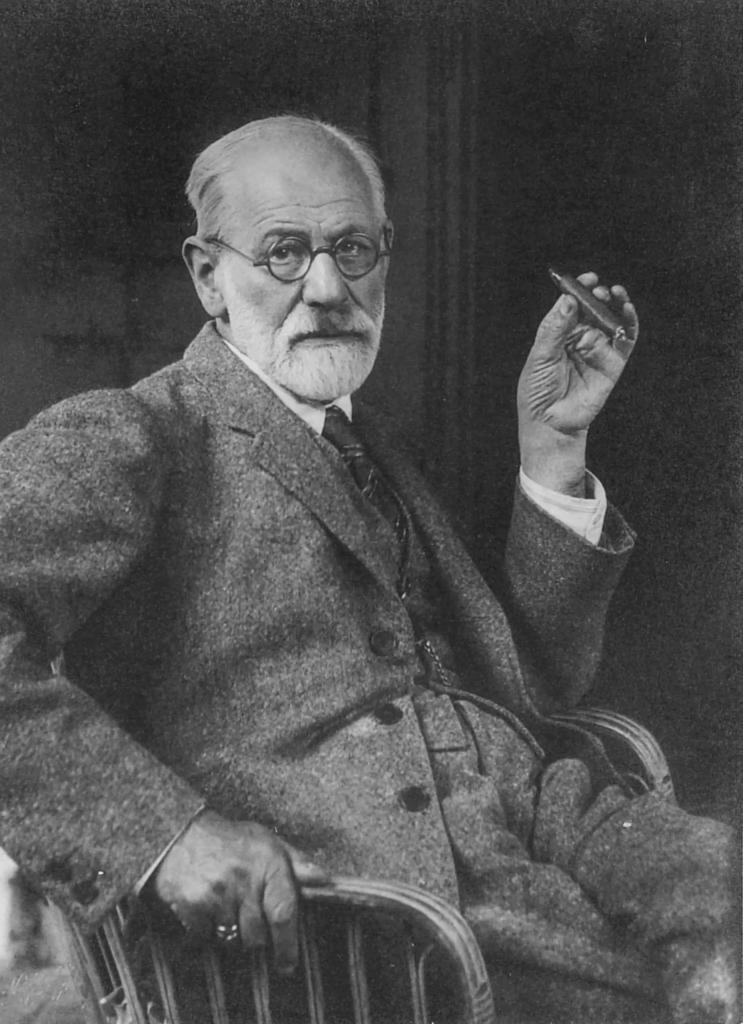
The LILA Gazette takes a look at the relevance and accuracy of renowned psychotherapist Sigmund Freud’s conclusions about dreams.
By Ella Erez – 11th grade.
Have you ever had a dream so intense that it stayed with you for the entire day, or a week, or even the rest of your life? If it was a positive dream, famous Austrian psychologist Sigmund Freud said that it might have been a fulfillment of an unconscious wish. A specific occurrence that aided him in coming to this conclusion was a dream he had in July 1895. Freud had a patient called Irma who was not improving through the course of their sessions, and he was beginning to feel guilty. He dreamt that he met Irma at a party to examine her, but realized that she was sick due to another doctor using a dirty syringe on her. He interpreted this as wish fulfillment because the assumption that Irma’s illness was another person’s fault and not his relieved him of the guilt and responsibility he felt.
In his 1899 book titled The Interpretation of Dreams, Freud argued that our dreams represent our wishes, and that studying them can give insight into what a person subconsciously desires. This was a huge breakthrough at the time because up until that point, dreams had largely been dismissed as meaningless, nonsensical, or interpreted strictly in a religious context.
One of Freud’s important findings was the distinction between what we remember of our dream when we wake up (which he called the manifest content), and the real psychological meaning of it (which he called the latent content). He discovered that when we are able to remember what we dreamt, we often alter the true meaning of the dream into something less disturbing or less intense. We sometimes tend to combine several ideas from the dream into one, or we shift emotional significance from one thing to another to distract ourselves from what the dream was really saying about our subconscious. We might also do this because we feel inclined to soften something disturbing or shocking that appeared in our dream.
“Free association”
A technique of Freud’s, when assessing a patient’s dream, was called ‘free association.’ He would ask the patient to name whatever came to mind when thinking about the dream, no matter how unrelated or outlandish it seemed. This allowed for deeper insight into what the dream was really about; the kinds of associations that the patient would make revealed links between elements, often pointing to a hidden meaning.
Though Freud believed in symbols that were somewhat universal, such as teeth falling out signifying a fear of aging, he expressed irritation with dream dictionaries. He said that they were too broad, overgeneralizing the meaning of symbols. To Freud, one would need to know exactly what the patient’s circumstances were in order to interpret their dream; therefore, the dictionaries were useless.
Now that one hundred and twenty seven years have passed since the publication of The Interpretation of Dreams, much new research has been done. Scientists have been able to either confirm or discredit many of Freud’s findings about dreams. For instance, we know now that Freud was right about thoughts that we suppress coming up in dreams more often than ones we don’t suppress. He was also correct about dreams usually being about events that occurred 24-48 hours before sleeping, and that they are a form of emotional regulation or processing instead of just being completely random.
Anxiety, desire, hope
However, while Freud said that all dreams are a form of wish fulfillment, modern science and psychology says that our dreams are not necessarily so. German psychiatrist S.H. Foulkes did a five year sleep laboratory study of children ages 3 to 8, in which he concluded that children have “static and bland” dreams that have nothing to do with wish fulfillment (Domhoff). Sometimes they can reflect anything we are feeling, from anxiety to desire to hope, without trying to make one of our aspirations or longings feel true for a little bit while we sleep. When it comes to manifest content and latent content, there is no scientific proof that they exist. Based on research, it is highly unlikely that the brain subconsciously hides the true meanings of a dream.
Though Freud’s findings were considered breakthroughs and were incredibly important to the development of dream psychoanalysis and interpretation, it’s important to take some of it with a grain of salt. Not all of it is entirely credible, though it still laid the groundwork for over a century of research.






Leave a Reply